Content Menu
● Why Thank You Labels Matter
● What Makes a Good Label
● Design Choices That Improve Performance
● Industry Trends to Watch
● How Brands Use Them
● Practical Production Workflow
● Material and Finish Options
● Expert Perspective for Brands
● XingKun Manufacturing Advantage
● Conclusion
● FAQ
>> 1. What are thank you labels used for?
>> 2. Are thank you labels good for e-commerce brands?
>> 3. What should be included on a thank you label?
>> 4. What is the best file format for printing thank you labels?
>> 5. What finish works best for premium thank you labels?
>> 6. Can thank you labels be customized for different campaigns?
● References
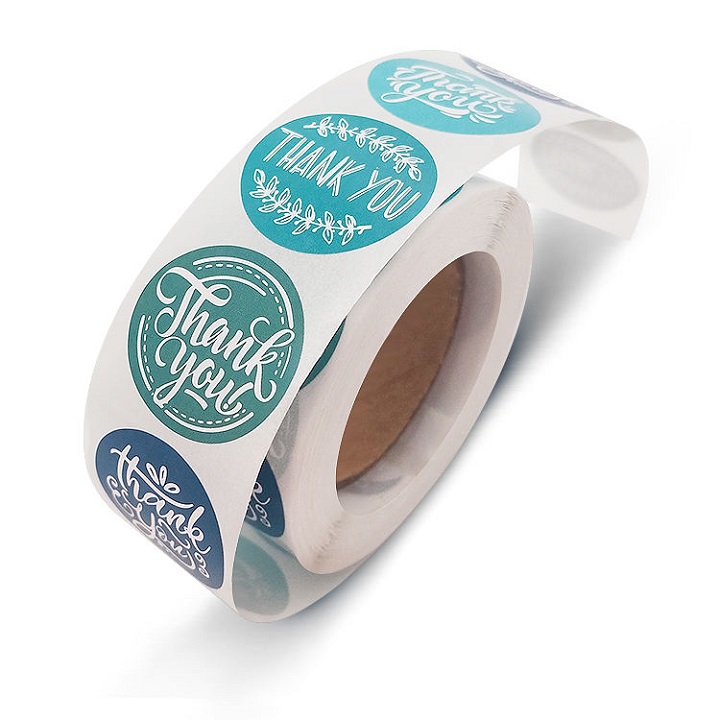
Thank You Labels are one of the simplest packaging tools for turning a routine delivery into a memorable brand moment. When used well, they can improve unboxing perception, reinforce trust, and support repeat purchase behavior through a small but highly visible touchpoint. [snap.com]
Why Thank You Labels Matter
Thank you labels do more than express gratitude. They help brands create a warmer, more human experience at the point of delivery, which is especially valuable in e-commerce where customers rarely meet the seller face to face. [printifytech]
In practice, they can be used on shipping boxes, poly mailers, tissue wrap, receipt inserts, product jars, and retail bags. For brands selling online, a well-placed label can also support loyalty by making the package feel intentional instead of purely transactional. [ecommercefastlane]
What Makes a Good Label
A strong thank you label should be clear, short, and visually consistent with the brand. The message should be easy to read, the typography should be clean, and the color system should match the rest of the packaging so the label feels integrated rather than added as an afterthought. [fastlabels.co]
The most effective designs usually focus on four things:
- Message clarity. Say "Thank You," "Thanks for Your Order," or a similar short line that reads instantly.
- Brand identity. Include the logo, brand color, or a recognizable illustration so the label supports brand recall.
- Print readiness. Use CMYK, high-resolution artwork, and proper bleed so the final label prints cleanly. [consolidatedlabel]
- Placement logic. Put the label where customers will naturally see it during unboxing or checkout handoff. [godaddy]
Design Choices That Improve Performance
For printable labels, design details matter as much as the message. Label printers recommend using vector artwork when possible, keeping images at 300 DPI, and setting a proper bleed to prevent white edges after cutting. [fastlabels.co]
Here is a practical design checklist:
| Design element | Recommended approach | Why it matters |
| Color mode | CMYK | Better matches commercial printing output |
| Image quality | 300 DPI or vector | Prevents pixelation |
| Bleed | At least 1/16 inch | Avoids white borders after trimming |
| Text | Outlined before print | Reduces font substitution errors consolidatedlabel |
| Layout | Minimal and balanced | Improves readability and shelf presence fastlabels.co |
A useful rule is to keep the label readable at a glance. If the customer needs to pause and decode the design, the label is probably trying to do too much. [fastlabels.co]
Industry Trends to Watch
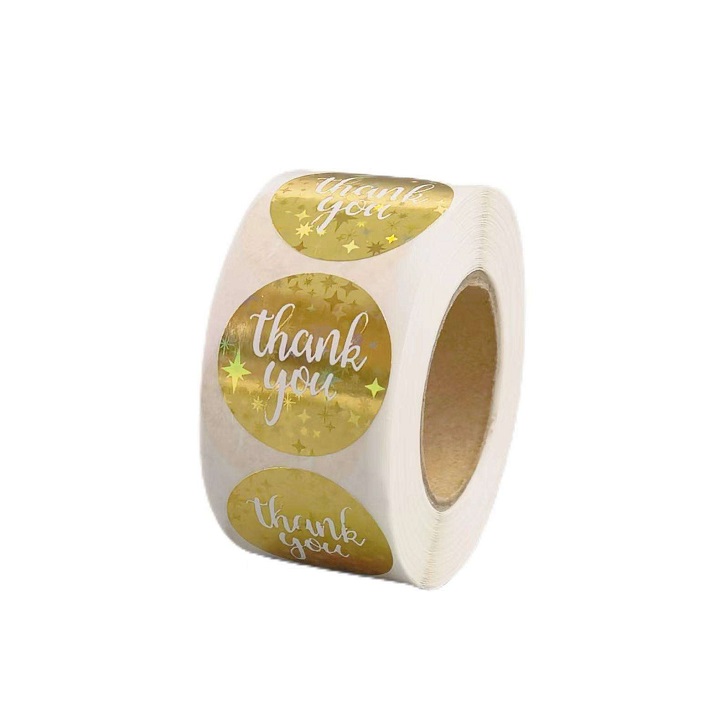
The label industry is moving toward faster, more flexible, and more personalized production. In 2026, digital label printing is becoming more important because brands want shorter runs, rapid versioning, lower waste, and more personalization options. [konicaminolta]
This matters for thank you labels because many brands no longer want one static label for every order. They want seasonal versions, influencer campaign versions, region-specific versions, and personalized messages that can be produced efficiently without large inventory risks. Digital printing also supports embellishment and premium finishes, which can make a small gratitude label feel more upscale. [blog.konicaminolta]
How Brands Use Them
Thank you labels are useful across several categories, but the execution should match the business model. A DTC beauty brand may want a soft-touch premium label, while a packaging supplier or wholesale seller may want a simple, scalable label that reinforces professionalism. [fulfillrite]
Common applications include:
1. E-commerce packaging. Add a thank-you message to boxes, mailers, or inserts to improve the unboxing experience. [snap.com]
2. Retail handouts. Use labels on shopping bags or takeout packaging to create a polished customer interaction. [easysticklabel]
3. Promotional inserts. Add QR codes, review requests, or reorder incentives to convert first-time buyers into repeat customers. [ecommercefastlane]
4. Seasonal campaigns. Create holiday, launch-day, or limited-edition versions to keep packaging fresh and collectible. [wizardlabels]
Practical Production Workflow
A good production workflow reduces errors and speeds up approval. The process should begin with label size confirmation, then move into layout, print proofing, material selection, and final production. [consolidatedlabel]
A simple workflow looks like this:
1. Measure the container or package surface.
2. Confirm label size and shape.
3. Build artwork in CMYK with bleed.
4. Convert fonts to outlines.
5. Check the print proof carefully.
6. Choose the right adhesive and finish.
7. Run production and inspect the first batch. [consolidatedlabel]
For global buyers, this is especially important when labels must work across different packaging materials or export markets. A reliable OEM/ODM partner can simplify this process by matching the artwork to the production method, substrate, and application scenario.
Material and Finish Options
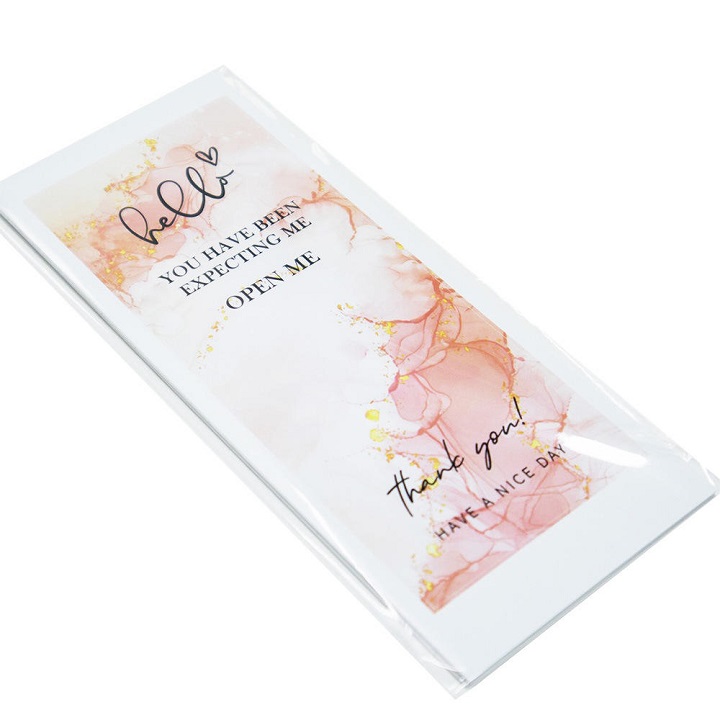
The best material depends on where the label will be applied and how it needs to feel. Paper labels are usually the most cost-effective, while glossy, matte, clear, or textured finishes can help brands create a more premium or specialized look. [konicaminolta]
Here is a useful way to think about finishes:
| Finish | Best for | Brand effect |
| Matte | Minimal, elegant packaging | Soft, modern, premium |
| Glossy | Bright retail packaging | Vivid, energetic, attention-grabbing |
| Clear | Transparent containers | Clean, subtle, product-focused |
| Textured / premium | Luxury or gift packaging | Tactile, memorable, high-end |
If the goal is emotional impact, the finish should support the message. A thank you label with a premium tactile finish often feels more sincere than a plain label, even when the message is identical. [wizardlabels]
Expert Perspective for Brands
From a packaging strategy point of view, the best thank you labels are not just decorative. They are a low-cost brand asset that can support customer retention, social sharing, and repeat purchases when they are aligned with the rest of the packaging system. [the-packtory]
The strongest labels usually do three things at once: they thank the customer, they reinforce the brand, and they invite the next action. That next action might be leaving a review, scanning a QR code, following on social media, or making a second order. [printifytech]
XingKun Manufacturing Advantage
As a custom packaging and printing manufacturer, XingKun can support brands that need thank you labels integrated into broader packaging programs such as boxes, cards, stickers, books, and puzzle products. This is valuable because many brands want consistent branding across multiple print items, not a single isolated label. [xkdisplay]
For international OEM and ODM buyers, the key advantage is production consistency. When design, material selection, and finishing are handled with manufacturing in mind, the final packaging feels more professional and easier to scale.
Conclusion
Thank you labels may be small, but they can have a big impact on brand perception, repeat purchases, and packaging quality. In 2026, the most effective labels combine clear messaging, strong print execution, and a thoughtful customer experience strategy backed by digital production flexibility. For brands that want to stand out, the label should feel like part of the product, not an afterthought. [konicaminolta]
Call to action: If your brand needs custom thank you labels that match your packaging, request a print consultation and sample review before production so the final result is accurate, scalable, and on-brand.
FAQ
1. What are thank you labels used for?
Thank you labels are used to express appreciation on packaging, inserts, or retail bags while reinforcing branding and improving the unboxing experience. [easysticklabel]
2. Are thank you labels good for e-commerce brands?
Yes. They help online brands create a more personal experience and can support repeat purchase behavior by making the package feel thoughtful. [ecommercefastlane]
3. What should be included on a thank you label?
A label usually includes a short gratitude message, the logo, brand colors, and sometimes a QR code or call to action. [smartlabelprint]
4. What is the best file format for printing thank you labels?
Vector files are usually best, and artwork should be prepared in CMYK with proper bleed and high-resolution elements. [fastlabels.co]
5. What finish works best for premium thank you labels?
Matte, textured, or specialty finishes often work well for premium packaging because they feel more refined and memorable. [wizardlabels]
6. Can thank you labels be customized for different campaigns?
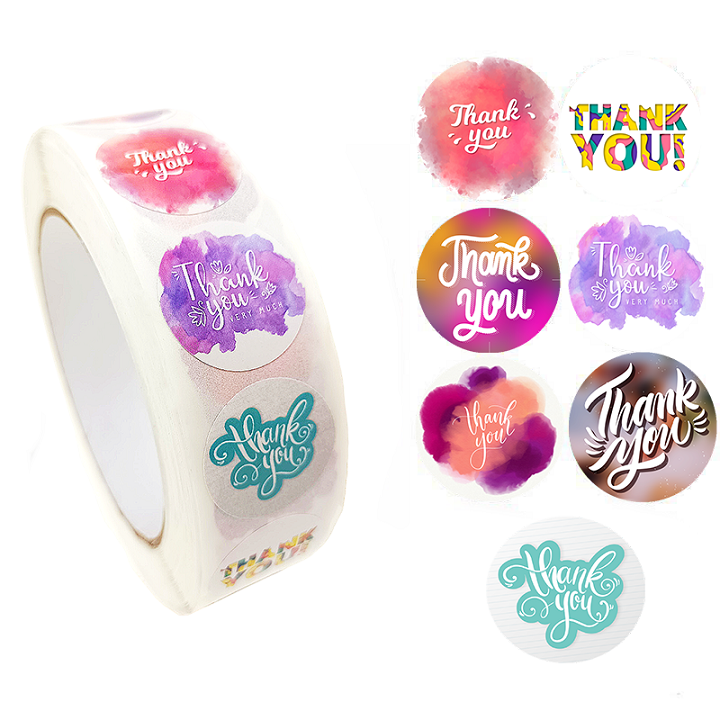
Yes. Digital printing makes it easier to create seasonal, personalized, or campaign-specific versions without large inventory waste. [blog.konicaminolta]
References
- Konica Minolta. "Four trends reshaping labels and packaging in 2026." [https://www.konicaminolta.eu/eu-en/igniting-print-possibilites-blog/commercial-printing/four-trends-reshaping-labels-and-packaging-in-2026]
- XingKun. "Thank You Labels." [https://www.xkdisplay.com/thank-you-labels.html]
- Fast Labels. "13 Best Practises For Label Design." [https://www.fastlabels.co.uk/blog/13-best-practises-for-label-design.html]
- Consolidated Label. "Best Practices of Designing Custom Labels." [https://www.consolidatedlabel.com/label-articles/best-practices-designing-custom-labels/]
- Wizard Labels. "5 Product Label Trends for 2026." [https://www.wizardlabels.com/blog/product-label-trends-2026/]
- Snap Australia. "10 Packaging Label & Sticker Design Ideas to Try Today." [https://www.snap.com.au/blog/6-label-and-sticker-ideas-to-try-today]
- Ecommerce Fastlane. "The Physical Retention Play: How $0.47 In Packaging ..." [https://ecommercefastlane.com/packaging-inserts-retention/]
- PrintifyTech. "Custom Thank You Cards for Online Store Packaging." [https://printifytech.com/blog/2025/11/07/custom-thank-you-cards-for-online-store-packaging-a-complete-branding-guide/]


