Content Menu
● What "wholesale tarot cards" really means
● Why brands choose China for wholesale tarot cards
● Key wholesale tarot card specifications to ask your factory
>> 1. Card stock and size
>> 2. Finishing and printing techniques
>> 3. Box and packaging
>> 4. MOQ, lead time, and pricing tiers
● OEM vs ODM wholesale tarot card services
● Latest trends driving wholesale tarot card demand
● How to choose the right wholesale tarot card factory
>> 1. Check production capacity and specialization
>> 2. Ask for real samples and test runs
>> 3. Clarify quality control and QC processes
>> 4. Review communication style and support
● Step‑by‑step process for ordering wholesale tarot cards
>> Step 1: Define your deck concept
>> Step 2: Choose OEM or ODM path
>> Step 3: Confirm technical specs
>> Step 4: Request and approve samples
>> Step 5: Place the bulk order
>> Step 6: Receive and inspect shipment
● How to brand your wholesale tarot cards for better margins
● Actionable tips for distributors and resellers
● Why partner with a full‑service packaging and printing factory
● Conclusion
● FAQ
>> 1. What is the typical MOQ for wholesale tarot cards from China?
>> 2. Can I get custom artwork printed on tarot cards?
>> 3. How long does it take to produce a custom wholesale tarot card order?
>> 4. What finishes are available for wholesale tarot cards?
>> 5. Can a factory help me design a tarot deck if I don't have artwork?
● References
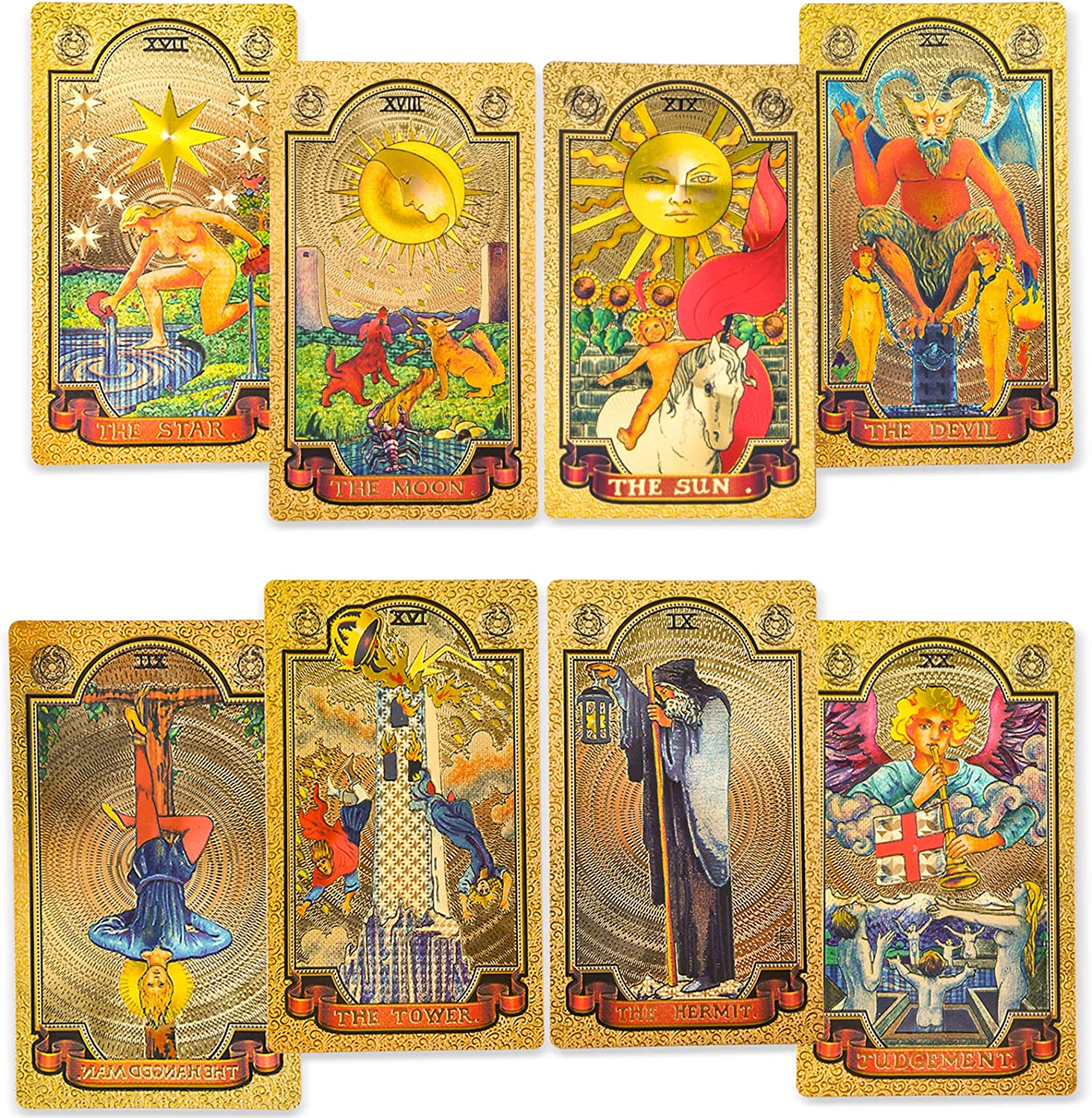
Wholesale tarot cards are one of the fastest‑growing niches in the spiritual and lifestyle product space, and working with the right China‑based OEM/ODM manufacturer can turn a simple deck idea into a profitable global brand. In this guide, written from the perspective of a long‑term packaging and card‑printing factory (Shenzhen XingKun Packing Products Co., Ltd.), we'll walk you through everything buyers, brands, and distributors need to know about wholesale tarot cards—from sourcing and quality control to customization, branding, and logistics. [fobsourcify]
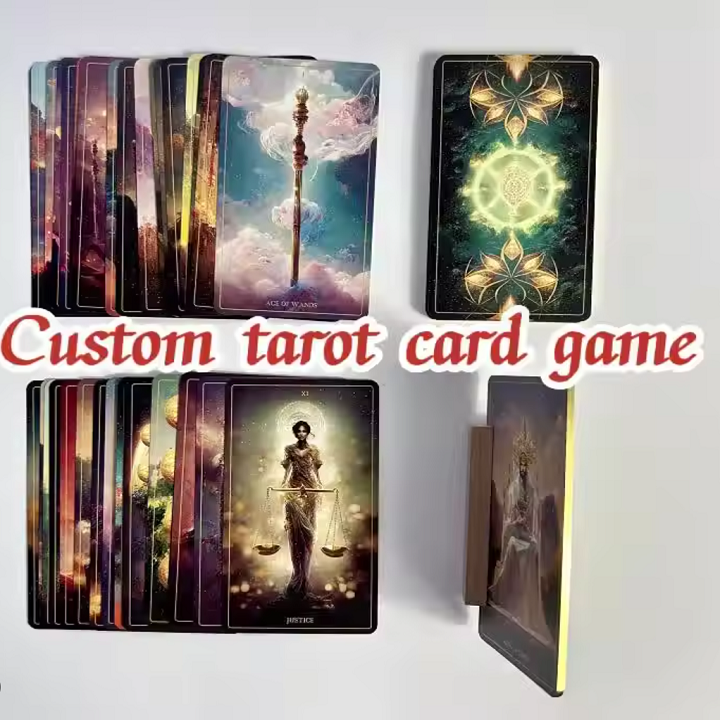
What "wholesale tarot cards" really means
When you see "wholesale tarot cards," you're typically looking at bulk‑priced tarot decks sold to retailers, e‑commerce sellers, distributors, or other brands rather than end consumers. [alibaba]
On major B2B platforms such as Alibaba, many suppliers list "tarot cards bulk wholesaler" with MOQs from 100 to 500+ decks, depending on customizations like foil stamping, embossing, or special box designs. From a factory‑side perspective, "wholesale" means high‑volume runs, predictable reorders, and long‑term partnerships rather than one‑off print jobs. [tarotcardsmaker]
Why brands choose China for wholesale tarot cards
China remains the dominant sourcing region for wholesale tarot cards, especially clusters in Guangdong Province (Shenzhen, Dongguan, Guangzhou). These hubs offer:
High‑volume offset and digital printing lines tailored to card stock. [fobsourcify]
Advanced finishing options: gloss/matte lamination, spot UV, foil stamping, embossing, and custom box construction. [gzxinyiprint]
Fast access to Hong Kong and Shenzhen ports, enabling competitive shipping costs for global buyers. [alibaba]
For independent creators and small brands, China‑based OEM/ODM factories can handle everything from original artwork setup, test prints, and box design to packaging, labeling, and drop‑shipping–style delivery. [greenerprinter]
Key wholesale tarot card specifications to ask your factory
To avoid misprints, quality issues, and future change‑orders, it pays to define your technical specs early. As a long‑time packaging and printing factory specializing in custom cards and books, here's what we recommend asking for in your RFQ:
1. Card stock and size
Standard sizes: 70 mm × 120 mm (common "poker size") or 63 mm × 111 mm ("portrait" tarot).
Thickness: 300–350 gsm card stock is typical for durable decks; thicker options (up to 400 gsm) feel more premium.
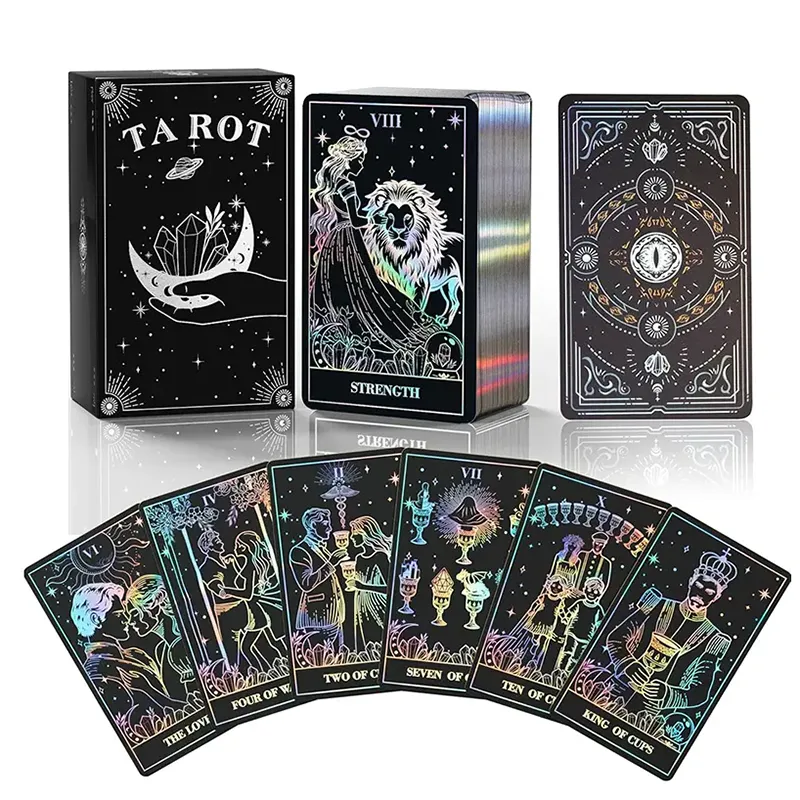
Coating: matte or gloss laminate, sometimes with soft‑touch or velvet finishes for a luxury feel. [printninja]
2. Finishing and printing techniques
From a factory's view, the most common upgrades that differentiate decks are:
Foil stamping (gold, silver, holographic) on card edges or box logos. [fobsourcify]
Spot UV highlights on select elements (titles, crowns, sigils) to create contrast. [gzxinyiprint]
Debossing or embossing on the box or individual card borders. [tarotcardsmaker]
3. Box and packaging
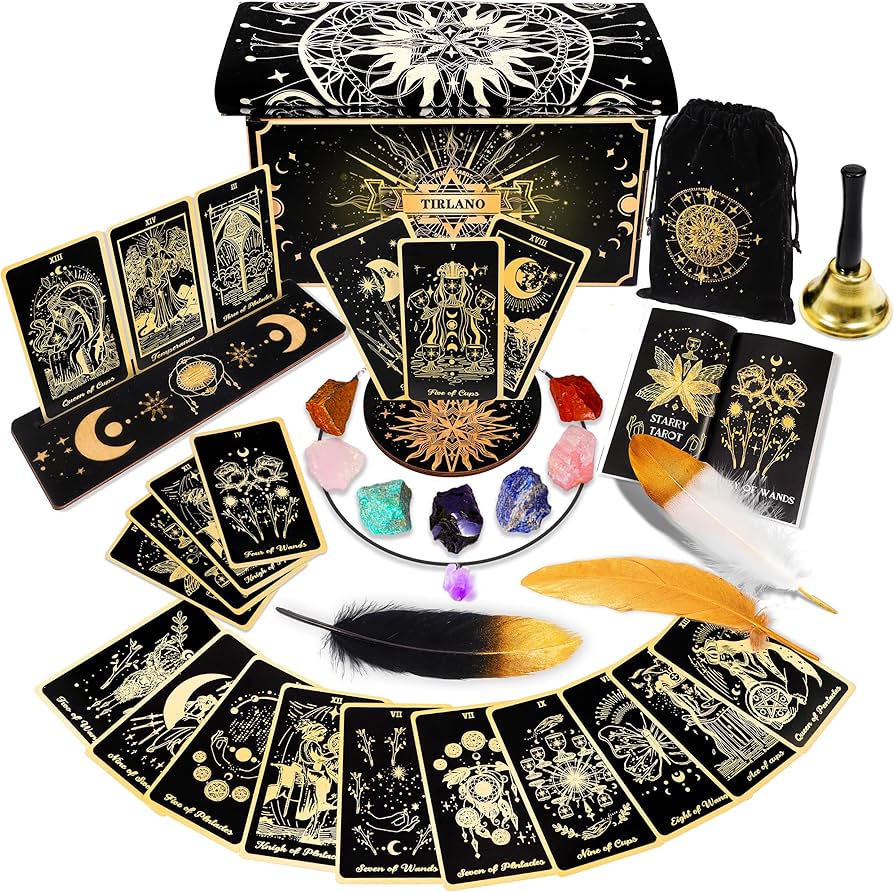
Wholesale tarot decks rarely ship flat; they go out in rigid boxes, tuck‑in boxes, or magnetic boxes. Ask your China supplier about: [alibaba]
Inner sleeve material (soft touch, foil‑lined, or plain paper).
Box lamination (gloss, matte, soft‑touch).
Inserts and booklets (saddle‑stitched, perfect‑bound, or loose cards in a booklet).
4. MOQ, lead time, and pricing tiers
Many factories list MOQs of 100–500 decks for standard decks, rising when you add foil, embossing, or custom box shapes. [alibaba]
Lead time for custom orders often ranges from 12–25 days, including plate making, proofing, and production. [tarotcardsmaker]
Price per deck drops sharply once you cross 1,000–3,000+ units, especially if you stick to standard sizes and common finishes. [alibaba]
OEM vs ODM wholesale tarot card services
When you search for "wholesale tarot cards OEM ODM supplier China", the terms are often used interchangeably, but they mean different things from a factory's perspective. [alibaba]
OEM (Original Equipment Manufacturer):
You provide your artwork, dimensions, paper specs, and box design.
The factory executes the print + packaging exactly to your files.
Best when you already have a finished deck design and just need high‑quality production in China. [greenerprinter]
ODM (Original Design Manufacturer):
The factory offers templates, design guidance, or even "blank" decks you can customize.
They may suggest standard sizes, popular card counts (78, 52, 33, etc.), or pre‑designed box styles.
Ideal for brands and distributors who want to launch a house‑brand line quickly without full design work. [gzxinyiprint]
For a company like Shenzhen XingKun Packing Products Co., Ltd., many buyers start with ODM (using our standard templates and box styles), then move to OEM once their brand is established and they want full control over artwork and layout. [xkdisplay]
Latest trends driving wholesale tarot card demand
From our experience working with overseas brands and distributors, several trends are reshaping what buyers look for in wholesale tarot cards:
1. Themed and niche decks
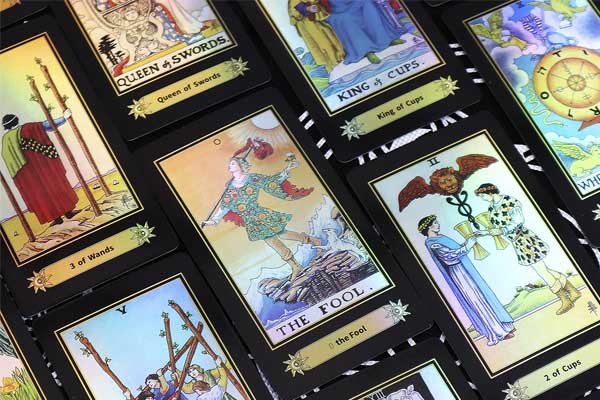
"Shadow work," "money," "relationship," and "career" tarot decks are outperforming generic "classic Rider‑Waite" reprints. [fobsourcify]
Brands often ask for custom iconography, color schemes, and slogans on the box tailored to a specific audience. [printninja]
2. Eco‑friendly and premium materials
Growing demand for FSC‑certified card stock and recycled or recyclable box materials. [greenerprinter]
Some buyers prefer biodegradable or plant‑based inks even though unit costs rise slightly. [printninja]
3. Digital‑first brands and social‑media‑ready packaging
Packagers now design for "Instagrammable" boxes: clean layouts, bold logos, and strong color contrast so the deck stands out in flat‑lays and unboxing videos. [greenerprinter]
QR codes linking to video readings, tutorials, or brand websites are increasingly common on packaging or guidebooks. [gzxinyiprint]
4. Bundle kits and lifestyle products
Buyers are ordering tarot decks bundled with candles, crystals, journals, or affirmation cards, which pushes manufacturers to offer coordinated packaging and multi‑item box designs. [fobsourcify]
How to choose the right wholesale tarot card factory
From a factory's viewpoint, the best long‑term partners are those who come with clear expectations, realistic timelines, and openness to professional feedback. Here's how we recommend evaluating suppliers:
1. Check production capacity and specialization
Look for factories that explicitly list:
Years in playing cards, game cards, or tarot cards. [wheeloffortunetarot]
Monthly or annual production capacity (e.g., "millions of cards per month"). [tarotcardsmaker]
In‑house plate‑making, printing presses, and finishing lines (foil, embossing, etc.). [gzxinyiprint]
2. Ask for real samples and test runs
A pre‑production sample (also called a "strike proof" or "approval sample") is critical before large orders. [printninja]
Request a small‑batch test run (e.g., 50–100 decks) to check:
Color accuracy.
Edge sharpness and durability.
Box construction and lamination feel. [greenerprinter]
3. Clarify quality control and QC processes
From a manufacturer's side, strong QC means:
100% inspection of critical attributes (correct number of cards, alignment, foil placement). [tarotcardsmaker]
Damage and scuff testing to simulate shipping and handling. [alibaba]
Retest procedures if a batch fails the first check.
4. Review communication style and support
Long‑time buyers tell us they value:
Dedicated account managers who speak English. [made-in-china]
Fast response times (within 24 hours) and clear answers to technical questions. [alibaba]
Williness to suggest improvements (e.g., "Your artwork resolution is only 150 DPI; we recommend 300 DPI for foil‑edge printing"). [printninja]
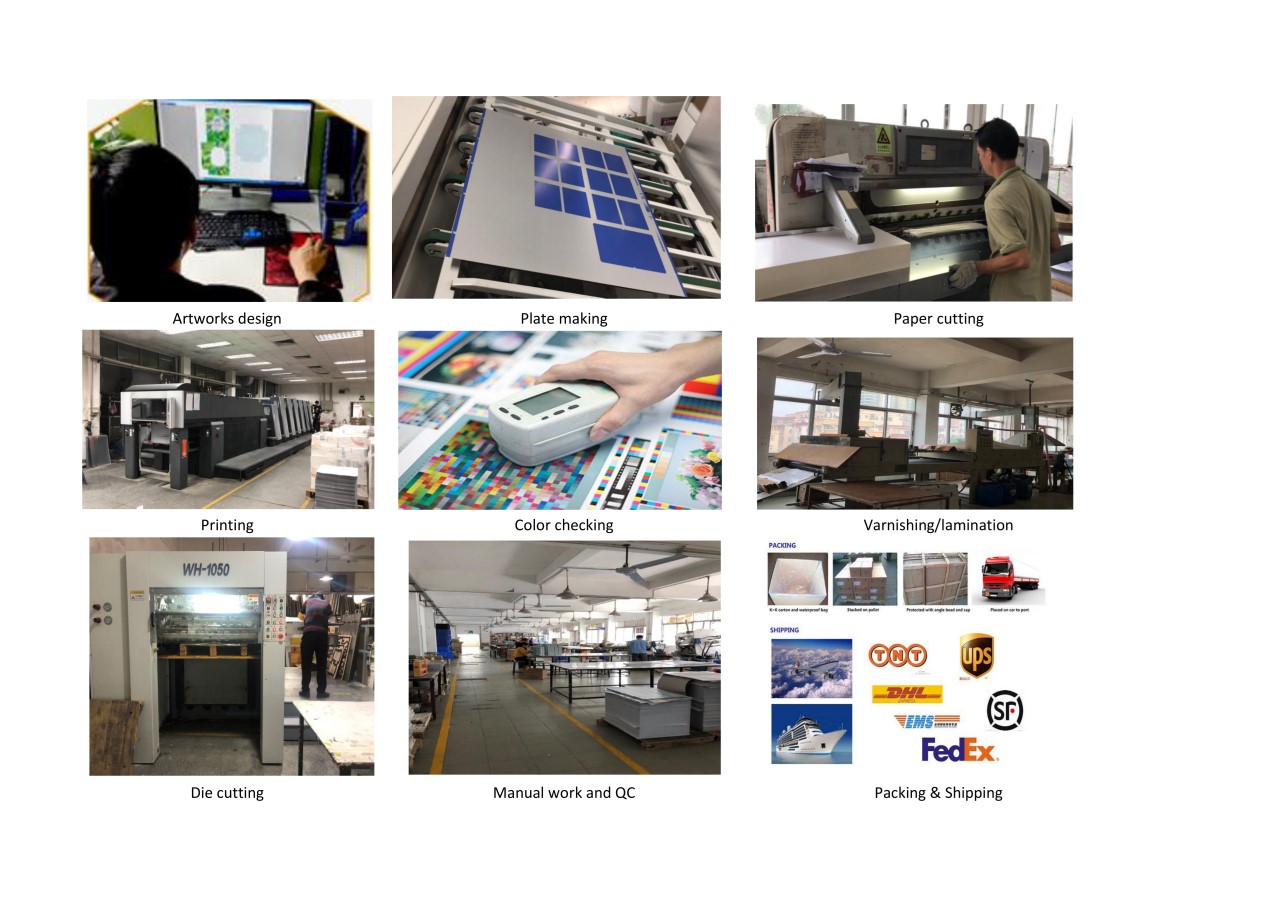
Step‑by‑step process for ordering wholesale tarot cards
Following is a practical workflow that we use with overseas brands and distributors at a typical Chinese printing factory.
Step 1: Define your deck concept
Ask yourself:
What audience is this deck for (beginners, experienced readers, specific spiritual paths)?
What theme, color palette, and tone do you want (mystical, minimalist, modern, vintage)? [fobsourcify]
Step 2: Choose OEM or ODM path
If you have full artwork and design files, go OEM.
If you want factory templates and guidance, start ODM. [alibaba]
Step 3: Confirm technical specs
Send your factory:
Artwork in print‑ready format (PDF/X‑1a, 300 DPI, bleed marks).
Dimensions, card count, and finish preferences (matte, gloss, foil, etc.). [greenerprinter]
Step 4: Request and approve samples
Order a digital proof (on‑screen) first to check layout and translation.
Then request a physical sample (1–2 decks) to evaluate color, texture, and box quality. [tarotcardsmaker]
Step 5: Place the bulk order
Sign off on the final sample and send a purchase order (PO).
Agree on payment terms (e.g., 30% deposit, 70% before shipment) and lead time. [alibaba]
Step 6: Receive and inspect shipment
Conduct a random inspection of boxes and decks upon arrival.
Keep a small batch in stock for future reorders with the same specs. [fobsourcify]
How to brand your wholesale tarot cards for better margins
From a packaging‑factory perspective, tarot cards are not just products—they're brand experiences. Here are several ways to increase perceived value and protect your margins:
Unique box design:
Use custom shapes, die‑cuts, or magnetic closures to stand out on shelves. [gzxinyiprint]
Add brand colors, logos, and taglines that match your overall product line. [xkdisplay]
Guidebooks and extras:
Include custom booklets explaining card meanings in your brand's voice. [tarotcardsmaker]
Offer QR codes to video tutorials or downloadable PDFs for advanced spreads. [greenerprinter]
Consistent branding across SKUs:
If you plan multiple decks (e.g., "Love Tarot," "Wealth Tarot," "Shadow Tarot"), use a consistent color‑coding system on the box spine or back. [alibaba]
Actionable tips for distributors and resellers
If you're buying wholesale tarot cards to resell, here are practical strategies from the factory side:
Order in size tiers
Use standard sizes (no custom trim) to keep prices low. [alibaba]
Start with mid‑volume orders (500–1,000 decks) and scale up as you get repeat customers.
Build a "house brand" line
Work with one reliable factory to create your own branded decks (OEM) instead of only reselling generic packs. [alibaba]
Bundle with accessories
Ask your factory about multi‑item box designs that can hold cards plus a journal, crystals, or candles. [gzxinyiprint]
Keep reorder cycles predictable
Many factories offer better pricing or priority scheduling to buyers with regular reorders. [tarotcardsmaker]
Why partner with a full‑service packaging and printing factory
For a company like Shenzhen XingKun Packing Products Co., Ltd., the advantage is that we can handle not just the cards themselves, but also the books, stickers, and packaging boxes that often accompany tarot‑related products. Many brands today don't want to juggle five different suppliers for cards, boxes, booklets, and labels—they want one turnkey partner that can: [xkdisplay]
Design and print high‑quality tarot decks with professional finishes. [greenerprinter]
Create custom packaging boxes that protect the deck and enhance shelf presence. [xkdisplay]
Print instruction booklets, journals, and labels under the same roof, reducing coordination overhead. [xkdisplay]
From a user‑experience and SEO perspective, this "one‑stop" narrative also strengthens your E‑E‑A‑T signal: you're not just a generic listing, but a specialized B2B partner with deep experience in spiritual and lifestyle print products. [fobsourcify]
Conclusion
Wholesale tarot cards are no longer niche novelty items; they are core spiritual products with strong growth in e‑commerce, retail, and subscription‑box markets. By working with a China‑based OEM/ODM packaging and printing factory that specializes in cards, books, and packaging, brands and distributors can launch high‑quality, branded decks at competitive prices while maintaining control over design, quality, and logistics. Whether you're an independent creator, a boutique brand, or a wholesale distributor, the right factory partnership can transform your tarot card concept into a repeatable, profitable product line. [xkdisplay]
FAQ
1. What is the typical MOQ for wholesale tarot cards from China?
Many factories list MOQs of 100–500 decks for standard decks; custom finishes such as foil or embossing may raise the MOQ to 500–1,000+ decks. [alibaba]
2. Can I get custom artwork printed on tarot cards?
Yes. Most Chinese OEM/ODM factories accept print‑ready artwork files (PDF/X‑1a, 300 DPI) and can print your designs on standard or custom‑sized cards. [greenerprinter]
3. How long does it take to produce a custom wholesale tarot card order?
Typical lead time is 12–25 days, including proofs, plate making, printing, finishing, and packing; express options may shorten this by a few days. [alibaba]
4. What finishes are available for wholesale tarot cards?
Common finishes include gloss/matte lamination, foil stamping, spot UV, embossing, debossing, and soft‑touch coatings, depending on the factory's equipment. [gzxinyiprint]
5. Can a factory help me design a tarot deck if I don't have artwork?
Yes. Many ODM suppliers offer templates, layout suggestions, and basic design support; some can also connect you with illustrators or layout designers for a full ODM experience. [fobsourcify]
References
[Sourcing Tarot Cards Wholesale from China – FOB Sourcify] [fobsourcify]
[Shenzhen The Wheel of Fortune Spiritual Art Creation Co. – Tarot Cards Supplier] [made-in-china]
[Custom Tarot Card Printing & Deck Design – GreenerPrinter] [greenerprinter]
[Xingkun Tarot Cards Manufacturer – 批发塔罗牌制造商] [xkdisplay]


