Content Menu
● Why Eco-Friendly Tote Bags Matter in Retail Packaging
● Eco-Friendly Tote Bag vs. Conventional Retail Packaging
● The Biggest Tote Bag Trends
>> 1. Durable Reuse Over Disposable Substitution
>> 2. Recycled and Traceable Materials
>> 3. Retail-Ready Minimalist Branding
>> 4. Functional Details That Increase Reuse
● Choosing the Right Tote Bag Material
>> Start With the Intended Use
>> Match Material to Reuse Frequency
● Printing Trends for Custom Tote Bags
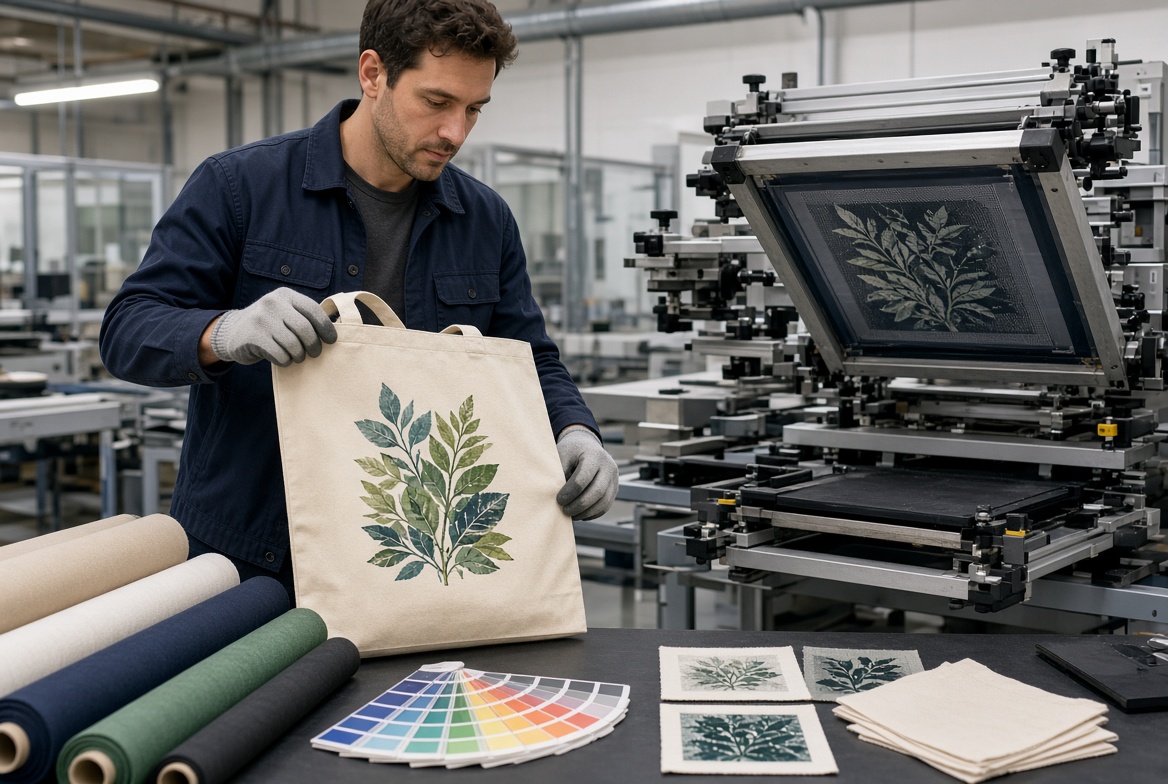
>> Screen Printing for Bold Brand Graphics
>> Digital Printing for Detailed Artwork
>> Heat Transfer for Flexible Small-Batch Customization
● A Practical Retail Tote Bag Sourcing Checklist
>> Before Requesting a Quote
>> Before Approving Mass Production
● Retail Packaging Compliance and Communication
● How Retailers Can Build a Better Tote Bag Program
>> Step 1: Define the Commercial Role
>> Step 2: Create a Reuse Reason
>> Step 3: Measure More Than Unit Cost
● Partner With an Experienced Tote Bag Manufacturer
● FAQ
>> What is the best material for an eco-friendly tote bag?
>> Are cotton tote bags always more sustainable than plastic bags?
>> Which printing method is best for custom tote bags?
>> How can retailers encourage customers to reuse tote bags?
>> What details should be included in a tote bag quotation request?
>> Can tote bags be used for luxury retail packaging?
● References
Eco-friendly tote bags are becoming a core part of retail packaging strategies, not simply a replacement for disposable shopping bags. For retailers, fashion labels, gift brands, supermarkets, and promotional businesses, the right tote bag can reduce reliance on single-use packaging, improve brand visibility, and create a product customers want to keep using.
At Shenzhen XingKun Packing Products Co., Ltd., we have spent more than 20 years producing printed packaging products for brands and distributors across more than 30 countries and regions. From a manufacturing perspective, the strongest shift is clear: buyers no longer evaluate a tote bag only by unit price or appearance. They increasingly compare material traceability, reuse potential, print quality, durability, shipping efficiency, and end-of-life practicality.
This article compares the two ideas inside modern retail packaging: eco-friendly tote bags and retail packaging trends. It also explains how brands can turn a custom printed tote into a functional, reusable, and commercially valuable packaging asset.
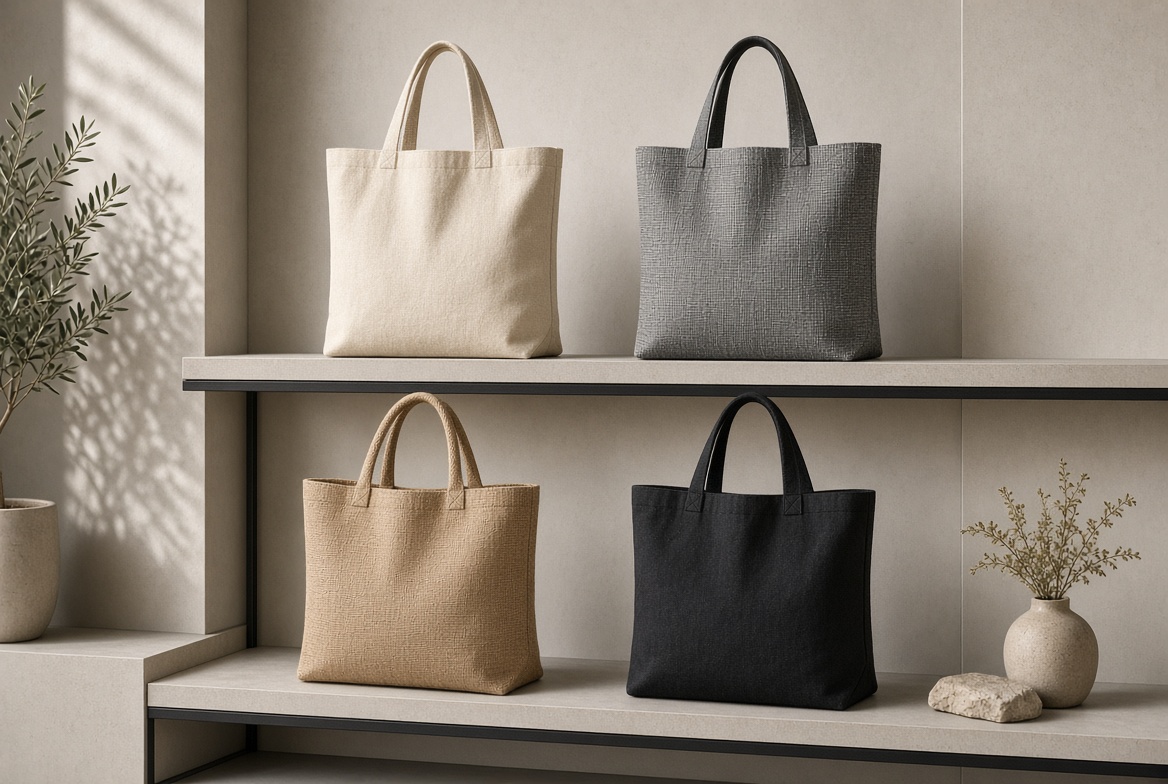
Why Eco-Friendly Tote Bags Matter in Retail Packaging
Retail packaging has traditionally been designed for a short journey: protect the product, carry it home, then dispose of it. An eco-friendly tote bag changes that journey. It can be carried repeatedly, displayed in public, and associated with a brand long after the initial transaction.
A well-designed reusable tote supports several retail goals at once:
- Product protection during checkout, transport, and gifting
- Repeated brand exposure when customers reuse the bag
- Reduced dependence on disposable bags
- A premium customer experience for retail, events, and e-commerce orders
- Flexible customization through printing, labels, woven tags, linings, pockets, and closures
- A practical branded merchandise opportunity
Packaging waste remains a major issue. In the United States, containers and packaging generated 82.2 million tons of municipal solid waste in 2018, representing 28.1% of total municipal solid waste generation. This is one reason retailers are reassessing material use, product protection, recovery systems, and reuse models.
For brands selling into Europe, the policy direction is especially relevant. The EU Packaging and Packaging Waste Regulation applies broadly from 12 August 2026 and covers packaging placed on the EU market, with measures addressing waste prevention, recyclability, reuse, and material-related requirements.
Eco-Friendly Tote Bag vs. Conventional Retail Packaging
The practical difference is not simply "fabric versus plastic." A sustainable retail choice depends on how long the packaging is used, whether it suits the product, how efficiently it ships, and what happens after the customer no longer needs it.
| Factor | Eco-Friendly Tote Bag | Conventional Single-Use Retail Bag |
| Primary purpose | Carrying, branding, repeat use | One-time product transport |
| Customer value | Often retained and reused | Usually discarded quickly |
| Brand exposure | Continues after purchase | Ends soon after checkout |
| Design space | Large printable surface, labels, pockets, closures | Limited space and lifespan |
| Upfront cost | Usually higher | Usually lower |
| Cost over repeated use | Can become more favorable | Requires constant repurchasing |
| Material options | Cotton, recycled cotton, canvas, RPET, jute, non-woven materials | Plastic films, paper, lightweight non-woven materials |
| Sustainability outcome | Depends on durability and actual reuse | Depends on material recovery and disposal behavior |
| Best for | Premium retail, events, gifting, loyalty programs, brand merchandise | Low-cost, short-duration carrying needs |
The key point is simple: a tote bag becomes the stronger packaging option only when it is designed to be used repeatedly. A low-quality tote that tears quickly or is not useful for customers can create unnecessary material consumption rather than meaningful value.
The Biggest Tote Bag Trends
1. Durable Reuse Over Disposable Substitution
One of the most important retail packaging trends is the move from "eco-looking" products to durable, useful products. Brands are favoring fewer bag designs with better construction instead of producing many low-value giveaway bags.
A retail tote should be designed around real customer behavior. It needs to hold the expected product weight, remain comfortable in the hand or on the shoulder, and fit into daily routines.
Important construction details include:
- Reinforced handle stitching
- Appropriate fabric weight
- Strong side and bottom seams
- A gusset for boxed, bulky, or multiple items
- Handle length matched to hand-carry or shoulder-carry use
- Optional zipper, snap, or button closure
- Internal pocket for phones, cards, or small accessories
For example, a beauty retailer may need a compact cotton tote with a clean logo and gift-ready appearance. A grocery or lifestyle brand may need a wider gusseted bag with reinforced handles for heavier loads. Using one design for both applications can weaken the customer experience.
2. Recycled and Traceable Materials
Material selection is moving beyond generic claims. Retail buyers increasingly ask what the bag is made from, whether recycled inputs can be documented, and whether the material aligns with the intended market.
Common options include:
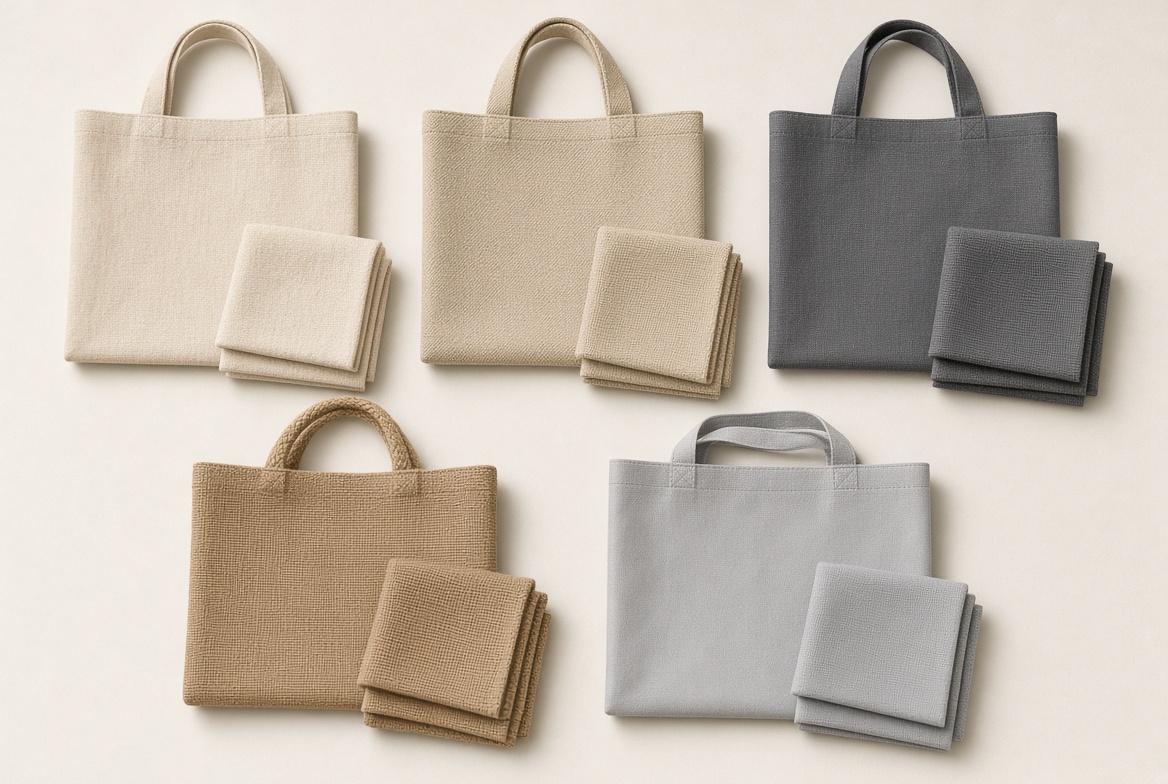
| Material | Strengths | Best Retail Uses | Watchpoints |
| Cotton | Natural feel, strong print compatibility, familiar to customers | Fashion, cosmetics, bookstores, gifting | Water and agricultural impacts vary by sourcing and production |
| Recycled cotton | Supports use of recovered textile fibers | Apparel, lifestyle, promotional campaigns | Fiber strength and color consistency should be checked |
| Canvas | Durable, premium appearance, suitable for repeated use | Boutique stores, wine, homeware, high-value gifts | Heavier weight can increase freight volume and cost |
| RPET | Uses recycled polyester feedstock, strong and lightweight | Events, sports, travel, promotional programs | Material claims should be supported by supplier documentation |
| Jute | Natural texture, distinctive rustic appearance | Food gifts, wine, organic products, farmers' markets | Less suitable for highly detailed printing |
| Non-woven polypropylene | Cost-efficient and lightweight | Large campaigns, supermarkets, events | Reuse performance depends heavily on fabric weight and construction |
A material is not automatically "better" because it sounds natural or recycled. The better choice depends on the expected number of uses, bag size, shipping route, print process, product weight, and local recovery conditions.
3. Retail-Ready Minimalist Branding
Retailers are increasingly using tote bags as part of a more refined visual system. Instead of covering every side with promotional copy, many brands choose one strong logo, one clear message, and a recognizable color palette.
This approach makes the tote more wearable. It also helps the bag feel like a product rather than temporary packaging.
Popular design directions include:
- Small centered logo designs
- One-color screen printing for a clean visual effect
- Tonal printing for premium fashion positioning
- Natural unbleached fabric paired with black or dark-green artwork
- Limited-edition seasonal graphics
- Artist collaborations and local illustrations
- Interior brand messages that reward closer customer attention
- QR codes linking to care instructions, reuse ideas, or loyalty pages
Minimalism does not mean blandness. It means the design gives the customer a reason to carry the bag again.
4. Functional Details That Increase Reuse
The most successful reusable bags solve a real problem. A beautiful tote that lacks practical features may stay in a drawer. A slightly more thoughtful design can become part of a customer's weekly routine.
Features that can increase perceived value include:
- Bottom gussets for boxes and larger purchases
- Foldable structures for travel and everyday carry
- Zippers for privacy and security
- Interior pockets for keys and mobile devices
- Bottle sleeves or compartment dividers
- Longer shoulder straps for commuting
- Short handles plus detachable shoulder straps
- Hangtags explaining care, materials, and reuse purpose
From a production standpoint, every added feature should have a commercial purpose. A zipper, pocket, or custom label should improve convenience, perceived value, or brand differentiation—not merely add complexity.
Choosing the Right Tote Bag Material
Start With the Intended Use
Before selecting cotton, canvas, RPET, jute, or non-woven material, define the bag's real job. This single step prevents many expensive sourcing mistakes.
Ask these questions:
1. What product will the tote carry?
2. How much weight should it hold?
3. Will customers use it for shopping, commuting, gifting, or events?
4. Is the bag a free giveaway, a retail product, or a purchase-with-purchase item?
5. Will it be shipped flat, packed with products, or sold in-store?
6. What print detail and color accuracy does the brand require?
7. Which countries or regions will receive the finished bag?
8. Does the program require documented recycled content or other material information?
A high-end apparel brand may prioritize hand feel, color consistency, and logo quality. A supermarket promotion may prioritize capacity, cost control, and handle strength. A corporate event organizer may prioritize lightweight shipping, foldability, and large-scale branding.
Match Material to Reuse Frequency
The environmental and commercial value of a reusable tote is closely tied to how often it is actually reused. Therefore, the bag's expected lifespan should influence material, weight, seam construction, and decoration method.
A basic way to think about this is:
Value per use=(Total bag cost + total environmental burden)/Number of successful uses
The goal is not to promise an exact universal number. The goal is to design a bag that customers genuinely want to use enough times for its durability and material investment to make sense.
Printing Trends for Custom Tote Bags
Printing quality strongly affects whether a tote feels disposable or premium. Retail brands should select a method based on artwork complexity, order quantity, fabric type, and intended use.
Screen Printing for Bold Brand Graphics
Screen printing works well for solid colors, logos, text, and simple illustrations. It is commonly selected for cotton, canvas, and many non-woven bags.
Advantages include:
- Strong color coverage
- Cost efficiency at higher quantities
- Long-lasting graphic results
- Clean visual impact for bold branding
It is particularly effective for minimal retail designs with one to three colors.
Digital Printing for Detailed Artwork
Digital printing is suitable for multicolor graphics, photographic images, gradients, and short-run designs. It gives brands more creative flexibility, especially for limited collections or campaign-specific tote bags.
Before approving production, brands should review a physical sample or representative artwork proof. Fabric texture, ink absorption, and color profile can affect the final result.
Heat Transfer for Flexible Small-Batch Customization
Heat transfer printing can be useful for personalized names, variable designs, event dates, and smaller production runs. It can support fast campaign development, but the selected transfer method should be evaluated for feel, wash durability, and compatibility with the bag material.
A Practical Retail Tote Bag Sourcing Checklist
A tote bag project often succeeds or fails before mass production begins. Buyers should look beyond the catalog photo and request clear production details.
Before Requesting a Quote
Prepare the following information:
- Bag dimensions: width, height, and gusset depth
- Material type and target fabric weight
- Handle length, width, and carrying style
- Required load capacity
- Print locations and number of colors
- Artwork files and brand color references
- Expected order quantity
- Packaging method
- Destination country or port
- Delivery deadline
- Testing, labeling, or documentation requirements
Before Approving Mass Production
Confirm these points:
- Fabric color and texture
- Logo size and placement
- Print color accuracy
- Stitching quality
- Handle reinforcement
- Bag dimensions and gusset depth
- Packaging count per carton
- Carton dimensions and gross weight
- Production lead time
- Quality inspection standard
At XingKun, our recommendation is to treat the pre-production sample as a decision tool, not a formality. It gives the buyer a chance to inspect the real bag structure, print sharpness, color appearance, and usability before committing to full production.
Retail Packaging Compliance and Communication
Retailers should avoid vague statements such as "100% green," "zero impact," or "fully sustainable" unless they can clearly substantiate them. More specific wording is usually more credible and more useful to customers.
Better packaging communication may include:
- "Reusable tote designed for everyday carrying"
- "Made with recycled material content, where documented"
- "Please reuse this bag as many times as possible"
- "Follow local guidance for disposal or recycling"
- "Care instructions included to help extend product life"
Regulatory expectations are also becoming more detailed. In the EU, the current packaging framework includes requirements related to packaging composition, reduction, recyclability, reuse, labeling, and documentation. Businesses placing packaging on the EU market should evaluate obligations by product, material, destination, and supply-chain role rather than relying on general claims.
For reusable packaging, documentation and operational readiness matter. Guidance on the EU framework emphasizes active collection, reconditioning, redistribution, and customer information as part of a functioning reuse system—not just a reusable label on the product.
How Retailers Can Build a Better Tote Bag Program
The best programs connect bag design with merchandising, store operations, and customer behavior.
Step 1: Define the Commercial Role
Choose one clear purpose:
- A premium replacement for a gift bag
- A loyalty reward
- A reusable shopping bag sold at checkout
- A purchase-with-purchase item
- A promotional event giveaway
- A branded product line
- An e-commerce packaging upgrade
A tote used as a gift-with-purchase may prioritize emotional appeal. A bag sold in-store must justify its price through utility, durability, and design.
Step 2: Create a Reuse Reason
Give the customer a reason to use it next week, not just on the day of purchase.
For example, a specialty grocery brand can use a gusseted canvas tote with reinforced handles, a short product-origin message inside the bag, and a small exterior graphic that feels appropriate for everyday errands. That combination improves utility, storytelling, and repeated visibility.
Step 3: Measure More Than Unit Cost
Track practical indicators after launch:
- Sell-through or redemption rate
- Customer feedback
- Repeat-purchase effect
- Social sharing and user-generated content
- Average order value for tote-related promotions
- Store associate feedback
- Damage or return rates
- Repeat bag use in loyalty or refill programs
The cheapest bag is not always the lowest-cost option. A tote that customers carry for months can generate far more brand impressions than a bag used once.
Partner With an Experienced Tote Bag Manufacturer
Eco-friendly tote bag trends in retail packaging are moving toward better materials, smarter construction, useful features, restrained branding, and credible communication. The strongest retail tote is not simply a bag with an environmental message. It is a durable, attractive product customers choose to carry again.
Shenzhen XingKun Packing Products Co., Ltd. supports brands, distributors, and retailers with custom printed tote bags and packaging solutions shaped around product needs, brand identity, order volume, and destination-market requirements. With more than 20 years of printing and packaging manufacturing experience, we help transform early-stage ideas into production-ready tote bag programs.
Contact XingKun today to discuss your custom tote bag material, size, printing method, construction details, sample requirements, and bulk-order packaging plan.
FAQ
What is the best material for an eco-friendly tote bag?
There is no single best material for every project. Cotton and canvas work well for premium, reusable retail bags; recycled cotton supports recovered fiber use; RPET can be lightweight and durable; jute offers a natural texture; and non-woven polypropylene can suit high-volume campaigns. The best option depends on expected reuse, product weight, printing needs, budget, and destination market.
Are cotton tote bags always more sustainable than plastic bags?
Not automatically. A cotton tote needs to be used repeatedly to justify the resources involved in its production. Its practical value improves when it is durable, functional, and attractive enough for customers to reuse over a long period.
Which printing method is best for custom tote bags?
Screen printing is often effective for bold logos and solid-color artwork at larger volumes. Digital printing suits detailed multicolor art and short runs. Heat transfer can work well for personalized or variable designs. The final choice should match the artwork, material, quantity, and durability expectations.
How can retailers encourage customers to reuse tote bags?
Use practical sizes, reinforced construction, comfortable handles, simple branding, and useful features such as gussets or pockets. Retailers can also offer refill incentives, loyalty rewards, or small discounts for bringing the bag back.
What details should be included in a tote bag quotation request?
Include bag dimensions, material, fabric weight, handles, gusset, printing locations, artwork, quantity, packaging requirements, destination, target delivery date, and any special testing or documentation needs.
Can tote bags be used for luxury retail packaging?
Yes. Premium canvas, high-quality cotton, custom-dyed fabrics, woven labels, sophisticated printing, interior lining, metal accessories, and refined packaging can position a tote as part of a luxury unboxing or gifting experience.
References
1. [U.S. Environmental Protection Agency — Containers and Packaging: Product-Specific Data]
2. [European Commission — Packaging Waste]
3. [Intertek — EU PPWR Requirements Effective from August 2026]
4. [EcoEnclose — Compostable vs. Recyclable vs. Reusable]
5. [NSW Environment Protection Authority — Packaging Stewardship]
6. [European Commission — Regulation (EU) 2025/40 on Packaging and Packaging Waste]


