Content Menu
● Why Custom Folders Still Matter in a Digital-First World
● What Makes a High-Performing Custom Folder?
● Types of Custom Folders You Should Know
● How to Design Custom Folders for Brand Impact
>> 1. Start with the folder's purpose
>> 2. Keep the visual hierarchy simple
>> 3. Use color strategically
● Material and Finish Choices That Increase Perceived Value
>> Paper and plastic options
>> Finishing options
● Print Production Tips That Prevent Costly Mistakes
>> Print-ready checklist
>> Common printing errors to avoid
● A Practical Workflow for Ordering Custom Folders
>> Step-by-step ordering process
● How Businesses Use Custom Folders to Improve Conversion
>> Real business use cases
● Industry Insight: What Buyers Value Most in 2026
● Why Choose a Custom Manufacturing Partner
● Best Practices for Better Results
● Conclusion
● FAQ
>> 1. What are custom folders used for?
>> 2. What is the best material for custom folders?
>> 3. What size should custom folders be?
>> 4. What printing method is best for custom folders?
>> 5. How can I make custom folders look more premium?
>> 6. Why do custom folders still matter?
● References
If you are looking for custom folders that do more than hold paper, you are in the right place. A well-designed custom folder can improve brand perception, organize sales materials, and make your company look more professional in every meeting, event, and proposal.
Why Custom Folders Still Matter in a Digital-First World
Even in a digital-first business environment, custom folders remain one of the most practical and cost-effective branding tools. They create a physical brand touchpoint, help organize printed collateral, and make your company look prepared, credible, and premium.
For B2B brands, especially in packaging, printing, manufacturing, education, finance, real estate, and trade shows, folders are still used to:
- Present proposals and quotations.
- Hold brochures, contracts, and product sheets.
- Support onboarding kits and event handouts.
- Deliver a more polished client experience.
A folder is not just office stationery. It is a brand carrier.
What Makes a High-Performing Custom Folder?
A strong custom folder should do three things well: look professional, function reliably, and communicate brand value. That means the design, material, structure, and printing method all need to work together.
From an industry perspective, the best-performing folders usually have:
- A clear purpose.
- A size that matches the documents inside.
- Durable material that survives handling.
- Branding that is visible but not cluttered.
- Print finishes that support the message, not distract from it.
If your folder is too thin, too busy, or poorly structured, it will feel cheap. If it is well planned, it can elevate everything inside it.
Types of Custom Folders You Should Know
There is no single "best" folder. The right choice depends on use case, content volume, brand style, and budget.
| Folder Type | Best For | Main Advantage |
| Pocket folders | Sales kits, proposals, marketing inserts | Simple, versatile, professional |
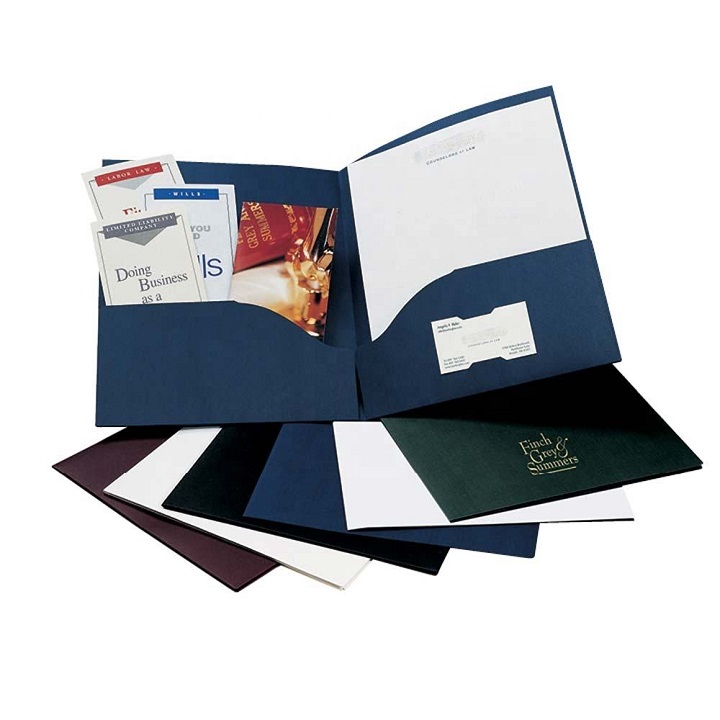
| Two-pocket folders | Standard document organization | Easy document separation |
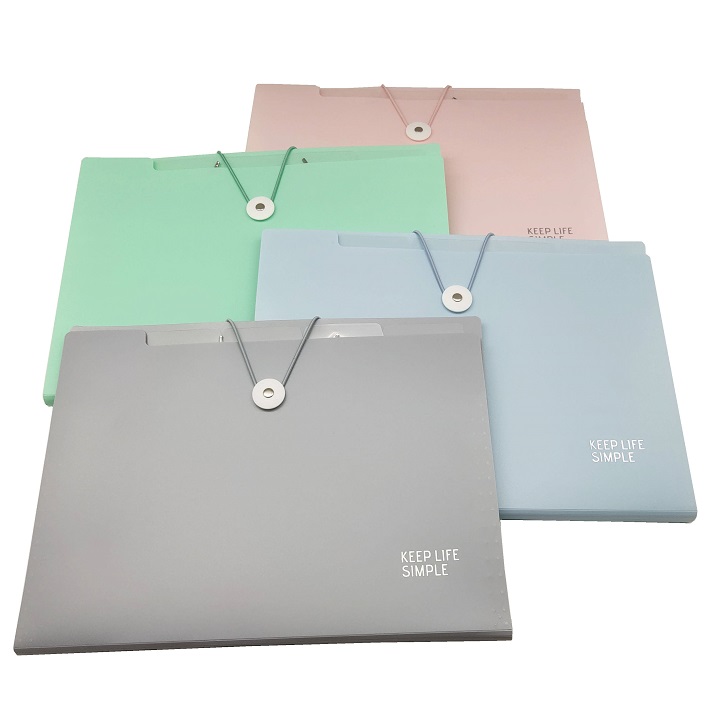
| Expandable folders | Larger document sets | More storage capacity |
| Presentation folders | Brand marketing and client meetings | Premium appearance |
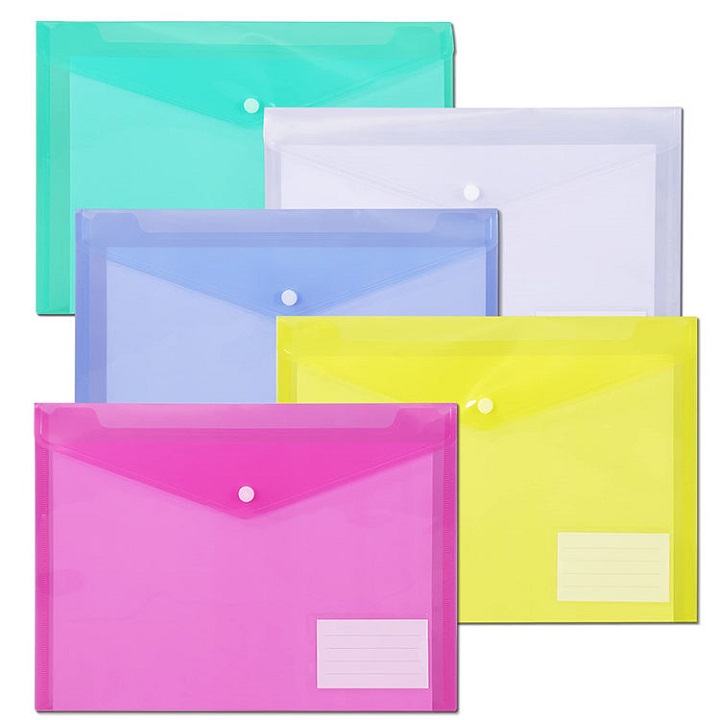
| Plastic folders | Durable daily use, moisture resistance | Long life and better protection |
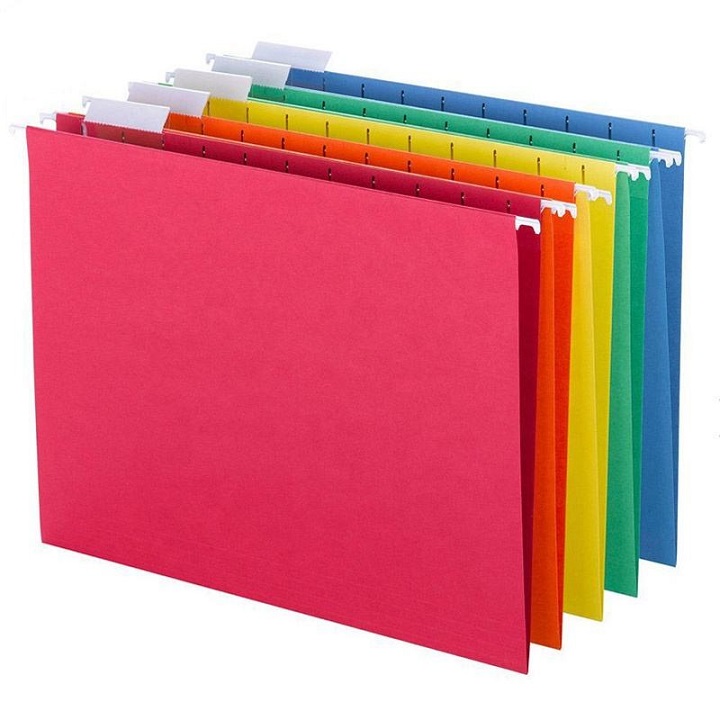
| File folders | Internal document storage | Practical and economical |
For many businesses, custom pocket folders are the most versatile option because they balance presentation, usability, and cost.
How to Design Custom Folders for Brand Impact
Design is where most brands either win or lose attention. A folder should not be treated as leftover print space. It should be designed as a mini brand experience.
1. Start with the folder's purpose
Before choosing colors or finishes, define the folder's job:
- Is it for sales meetings?
- Is it for exhibition handouts?
- Is it for legal or corporate documents?
- Is it for premium brand presentation?
This answer determines the layout, paper stock, pocket style, and finishing choice.
2. Keep the visual hierarchy simple
The front cover should immediately communicate:
- Your brand name.
- Your logo.
- A short value statement.
- One strong visual or design theme.
Do not overload the folder with too many text blocks. In print design, clarity sells better than clutter.
3. Use color strategically
Color influences perception. A dark premium color can suggest authority, while a bright color can communicate energy and accessibility. The ideal palette should match the brand and the folder's purpose.
For example:
- Blue often communicates trust and stability.
- Black suggests premium positioning.
- Green can support sustainability messaging.
- Red creates urgency and visual energy.
If your folder is for a premium pitch, avoid using too many loud colors. If it is for retail promotion, brighter colors may work better.
Material and Finish Choices That Increase Perceived Value
Material quality directly affects how a custom folder feels in the hand. This is especially important in industries where first impressions matter.
Paper and plastic options
Depending on your use case, you may choose:
- Coated paper stock.
- Uncoated premium paper.
- Laminated stock.
- PVC or PP plastic folders.
- Eco-friendly paperboard alternatives.
Plastic folders are often preferred when durability matters. Paper folders are often preferred when print elegance, recyclability, or premium finishing is important.
Finishing options
Finishing can significantly increase perceived value. Common choices include:
- Matte lamination.
- Gloss lamination.
- Soft-touch coating.
- Foil stamping.
- Embossing.
- Debossing.
- Spot UV.
These effects are not just decoration. They help the folder feel more credible and memorable.
Print Production Tips That Prevent Costly Mistakes
Many folder projects fail because of production errors, not design ideas. To avoid waste, your print file must be prepared correctly.
Print-ready checklist
Use the following production standards:
1. Set artwork in CMYK, not RGB.
2. Keep images at 300 DPI or higher.
3. Add sufficient bleed around edges.
4. Keep text and logos inside the safe zone.
5. Use vector artwork for logos and die lines.
6. Confirm the final folder size before printing.
7. Check pocket placement and slits carefully.
If you are using special finishes such as foil or embossing, make sure the artwork avoids very thin lines or overly small fonts. Those details may not reproduce cleanly.
Common printing errors to avoid
- Misaligned pockets.
- Cut-off logos near the edge.
- Low-resolution images.
- Overly thin font strokes.
- Incorrect bleed setup.
- Inconsistent brand colors across print runs.
These issues may look small on screen but become expensive in production.
A Practical Workflow for Ordering Custom Folders
If you are ordering from a supplier or factory, a structured workflow helps reduce mistakes and improve output quality.
Step-by-step ordering process
1. Define the folder purpose and target audience.
2. Choose the folder type and size.
3. Select the material and finish.
4. Prepare the design file.
5. Confirm print specs with the manufacturer.
6. Review a sample or digital proof.
7. Approve production.
8. Check the finished folders against the sample.
This workflow is especially important for overseas OEM and ODM production, where communication errors can cause delays or rework.
How Businesses Use Custom Folders to Improve Conversion
A custom folder is not only a storage item. In sales and marketing, it can influence how prospects perceive your offer.
Real business use cases
- Sales teams use folders to present proposals in a structured way.
- Trade show exhibitors use them to distribute product sheets and catalogs.
- Distributors use branded folders to improve reseller kits.
- Manufacturers use them to organize technical documents and product samples.
- Schools and training providers use them for welcome packs and course materials.
When a prospect receives a neat, well-printed folder, the message is clear: this brand is organized and serious.
Industry Insight: What Buyers Value Most in 2026
Current market demand is shifting toward eco-friendly materials, durable formats, and multifunctional folder designs, while buyers are becoming less interested in plain, generic folders. At the same time, folder design guidance from print experts continues to emphasize essentials such as clear layout, proper bleed, CMYK setup, and durable construction for professional presentation materials. [simporter]
From an experienced packaging and print perspective, three buying priorities stand out:
- Practicality: The folder must hold documents safely.
- Branding: The folder must reinforce the company identity.
- Durability: The folder must survive handling and transport.
This is why businesses increasingly want folders that combine function with visual impact.
Why Choose a Custom Manufacturing Partner
If you need OEM or ODM support, a factory partner can help you move from concept to production more efficiently. This is especially valuable when your company needs multiple branded packaging items, not just folders.
A strong manufacturing partner can provide:
- Custom sizes and structures.
- Material recommendations.
- Printing and finishing support.
- Sampling and proofing.
- Bulk production for international orders.
For companies like Shenzhen XingKun Packing Products Co., Ltd., the advantage is the ability to support custom packaging, printing, and branding consistency across different products and markets.
Best Practices for Better Results
If you want your custom folders to perform well, follow these best practices:
- Keep the design focused.
- Match the folder style to the business context.
- Use strong paper or plastic stock.
- Make branding visible but clean.
- Test the layout before mass production.
- Ask for a sample when quality matters.
- Think about how the folder will be used in real life.
The best folder is not the most complicated one. It is the one that helps the user stay organized while making the brand look stronger.
Conclusion
Custom folders remain a powerful print marketing tool because they combine organization, presentation, and branding in one practical format. When designed well, they do more than store documents—they improve perception, support sales, and create a stronger physical brand experience.
If you want a folder that truly represents your business, focus on purpose, material, finish, print accuracy, and user experience. That is how a simple folder becomes a professional sales asset.
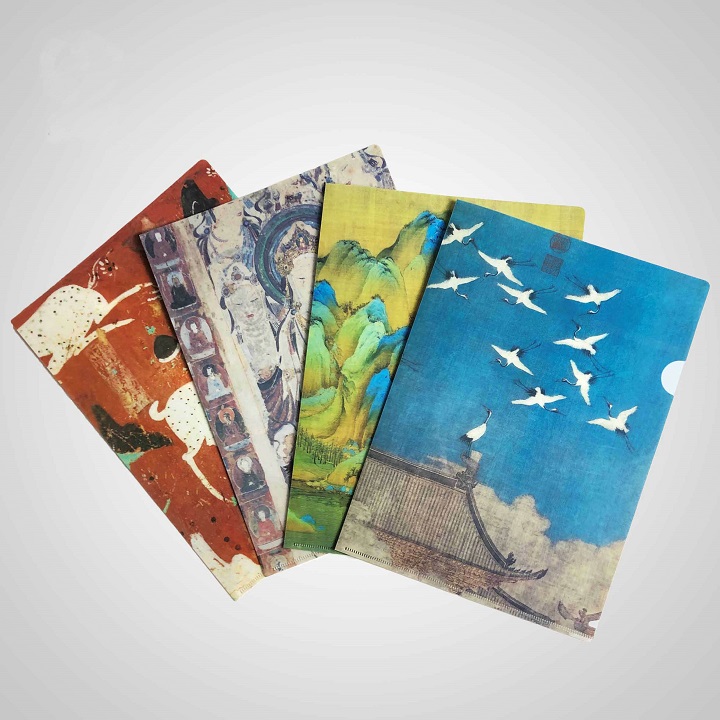
FAQ
1. What are custom folders used for?
Custom folders are used to organize documents, present sales materials, support branding, and create a professional look in meetings, trade shows, and client presentations.
2. What is the best material for custom folders?
The best material depends on usage. Paper stock is ideal for premium presentation, while plastic is better for durability and moisture resistance.
3. What size should custom folders be?
The size should match the documents inside. Standard letter-size folders are common, but custom sizes can be created for specific document sets or markets.
4. What printing method is best for custom folders?
CMYK printing works well for colorful designs, while spot colors, foil stamping, and embossing are often used for premium branding effects.
5. How can I make custom folders look more premium?
Use thicker stock, a clean layout, high-quality finishes such as foil or soft-touch coating, and strong but simple branding.
6. Why do custom folders still matter?
They still matter because they create a physical brand impression, support document organization, and improve the professionalism of sales and marketing materials.
References
1. XINGKUN product page for colored plastic folders. Available at: [https://www.xkdisplay.com/colored-plastic-folders.html]
2. "Customized PP Folders | YES ODM Manufacturing Solutions." Search result summary used for OEM/ODM context. Available at: [yes-stationery.com]
3. "Custom Folder Design Checklist: What to Know Before You …" Search result summary used for folder design best practices. Available at: [corcoranprinting]
4. "File Folders Trends April 2026 | Market Data." Search result summary used for 2026 trend context. Available at: [simporter]
5. "7 Essential Tips for Presentation Folder Printing." Search result summary used for printing and finishing guidance. Available at: [resources.printhandbook]
6. "Managing Bleeds and Safe Zones." Search result summary used for bleed and safe-zone guidance. Available at: [philprint]


