Content Menu
● Why Retail Display Updates Drive Sales
● How Often Should You Refresh Displays?
● Proven Tips for Updating Displays Effectively
>> Prioritize Interaction and Education
>> Use Cross-Merchandising
>> Match the Display Type to the Product
>> Think Like Your Customer
>> Account for Seasonality
● What's Changing in 2026: Industry Insights
>> Sustainability Has Become the Baseline
>> Digital and Physical Fixtures Are Merging
>> Customization and Shorter Supply Chains Matter More
● Measuring the Impact of a Display Refresh
● Common Retail Display Options for a Refresh
● Partner With an Experienced Display Manufacturer
● Frequently Asked Questions
● References
Outdated retail displays quietly cost brands sales every single day. Refreshing your retail displays regularly is no longer optional — it's a competitive necessity that directly affects foot traffic, brand perception, and conversion rates in 2026's fast-moving retail environment.
As a manufacturer with over 20 years of experience producing display stands and printed packaging for brands and distributors across 30+ countries, Shenzhen XingKun Packing Products Co., Ltd. has watched retail display strategy evolve from static cardboard cutouts into sustainable, modular, and increasingly tech-integrated fixtures. This guide breaks down what's driving that shift, how often you should refresh your displays, and what practical steps deliver measurable results.
Why Retail Display Updates Drive Sales
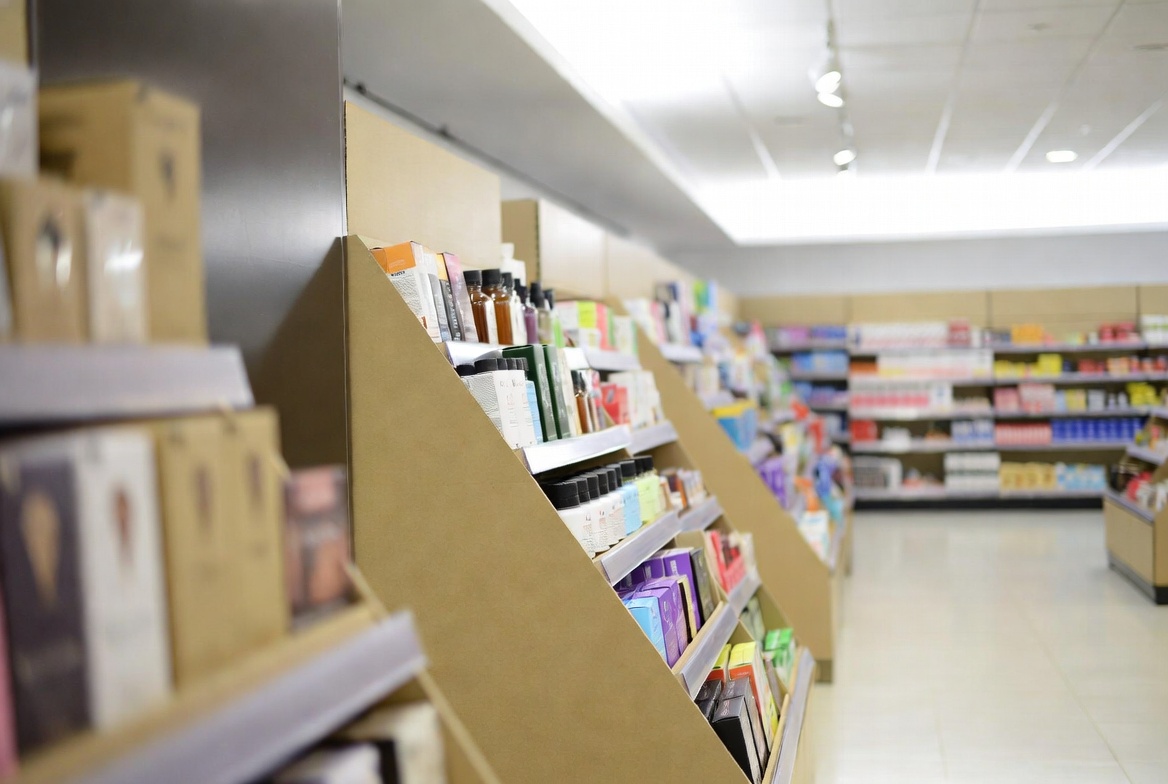
A retail fixture is any equipment retailers use to present products — shelves, racks, cases, risers, and point-of-purchase displays all fall into this category. When these fixtures go stale, customers stop noticing your products altogether, a phenomenon known as display fatigue.
Fresh displays matter because they:
- Build brand recognition by using color, texture, and structure to tell a consistent visual story
- Increase awareness even among browsers who don't buy immediately, planting your brand for future purchases
- Boost measurable sales by directing attention toward specific products or promotions
- Strengthen retailer partnerships, since refreshed layouts pull shoppers deeper into stores and aisles
Visual merchandising — the art and science of arranging products to maximize appeal — sits at the core of every successful display strategy.
How Often Should You Refresh Displays?
There's no universal rule, but several triggers consistently signal it's time for an update:
1. Physical wear — displays are chipped, faded, or structurally damaged
2. Brand changes — a new logo, color palette, or packaging redesign
3. Product misalignment — the fixture no longer fits new SKUs or sizes
4. Retailer-driven refreshes — a store rebrand or expansion requires new layouts
5. Seasonal shifts — offerings and customer priorities change with the calendar
Many brands schedule quarterly reviews aligned with seasonal transitions, while high-traffic retailers may rotate displays monthly to combat fatigue.
Proven Tips for Updating Displays Effectively
Successful display updates share a few consistent characteristics that separate them from generic refreshes.
Prioritize Interaction and Education
Let customers touch, test, or sample products whenever possible. If a product requires explanation, pair it with short, clear signage or visuals rather than dense text blocks.
Use Cross-Merchandising
Group complementary products together to increase basket size. A display featuring a coffee maker alongside mugs and filters encourages larger purchases than either item alone.
Match the Display Type to the Product
| Display Type | Best Use Case |
| Single-item display | Hero products, new launches |
| Same-product display | Products with size/color variants |
| Similar-product display | Comparable product lines |
| Mixed display | Complementary bundles |
Choosing the wrong format undercuts even the best-designed fixture.
Think Like Your Customer
Walk the sales floor from the shopper's perspective. Note sightlines, lighting, and whether the layout actually guides movement toward key products.
Account for Seasonality
Adjust color schemes, props, and messaging to match seasonal moods and shopping behaviors throughout the year.
What's Changing in 2026: Industry Insights
The retail display category is moving fast, and manufacturers who ignore these shifts risk falling behind competitors.
Sustainability Has Become the Baseline
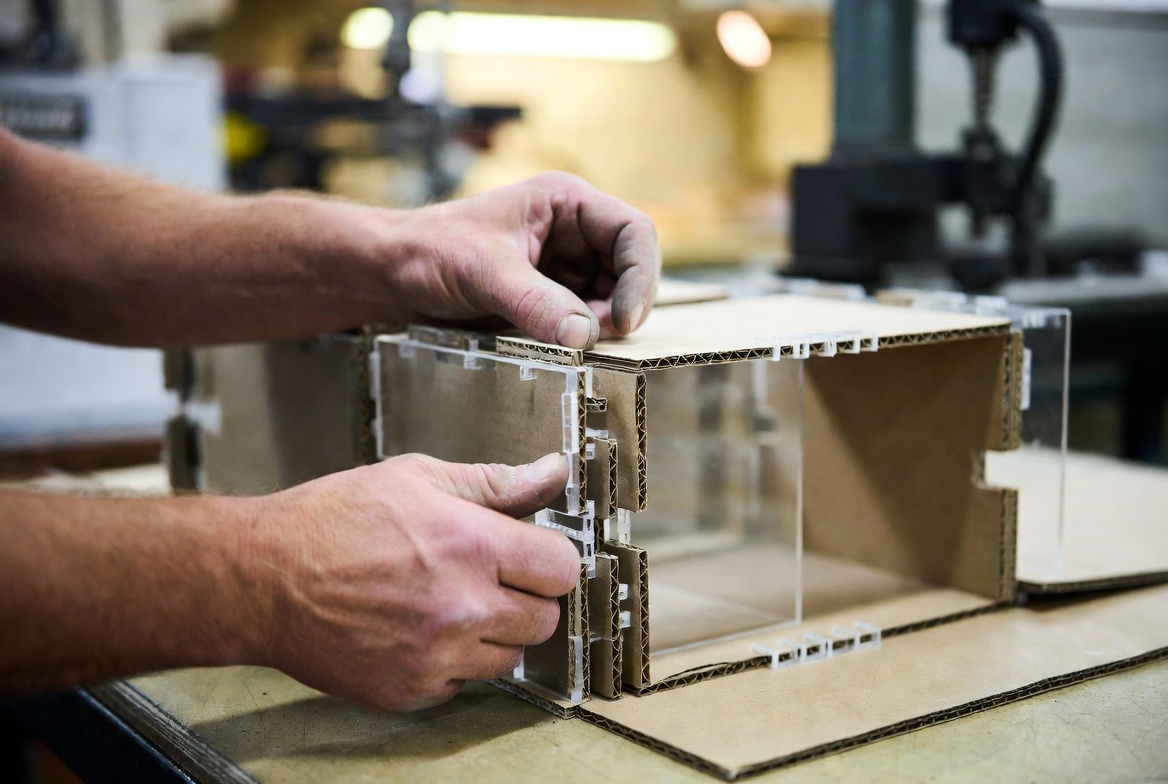
Recycled acrylics, reclaimed wood, and biodegradable signage are now standard expectations rather than premium add-ons. Retailers increasingly favor modular, reusable fixtures over single-use displays to cut waste and reduce reordering costs. At XingKun, this shift has translated into growing demand for durable, reusable display stands built for repeated seasonal rotation rather than one-time campaigns.
Digital and Physical Fixtures Are Merging
Touchscreens, motion sensors, and scannable QR codes now sit alongside traditional printed displays, giving shoppers instant access to product specs and promotions. Data-driven sensors also let brands measure dwell time and interaction rates, turning static merchandising into a measurable performance channel.
Customization and Shorter Supply Chains Matter More
Generic, one-size-fits-all fixtures are losing effectiveness as shoppers expect displays tailored to specific brands, regions, or campaigns. At the same time, retailers are prioritizing manufacturing partners who can shorten lead times and maintain tighter quality control — a trend that favors experienced, established suppliers over fragmented sourcing.
Measuring the Impact of a Display Refresh
Updating a display isn't the finish line — measuring its performance is what separates guesswork from strategy. Track these indicators after any refresh:
- Sales lift: Compare revenue before and after installation
- Dwell time: Measure how long shoppers linger near the display
- Interaction frequency: Track product handling or digital engagement
- Foot traffic shifts: Analyze whether placement changes affect visibility
- Shopper feedback: Collect direct input from customers or retail partners on clarity and appeal
Reviewing these metrics quarterly helps brands decide whether to keep, adjust, or replace a fixture before fatigue sets in.
Common Retail Display Options for a Refresh
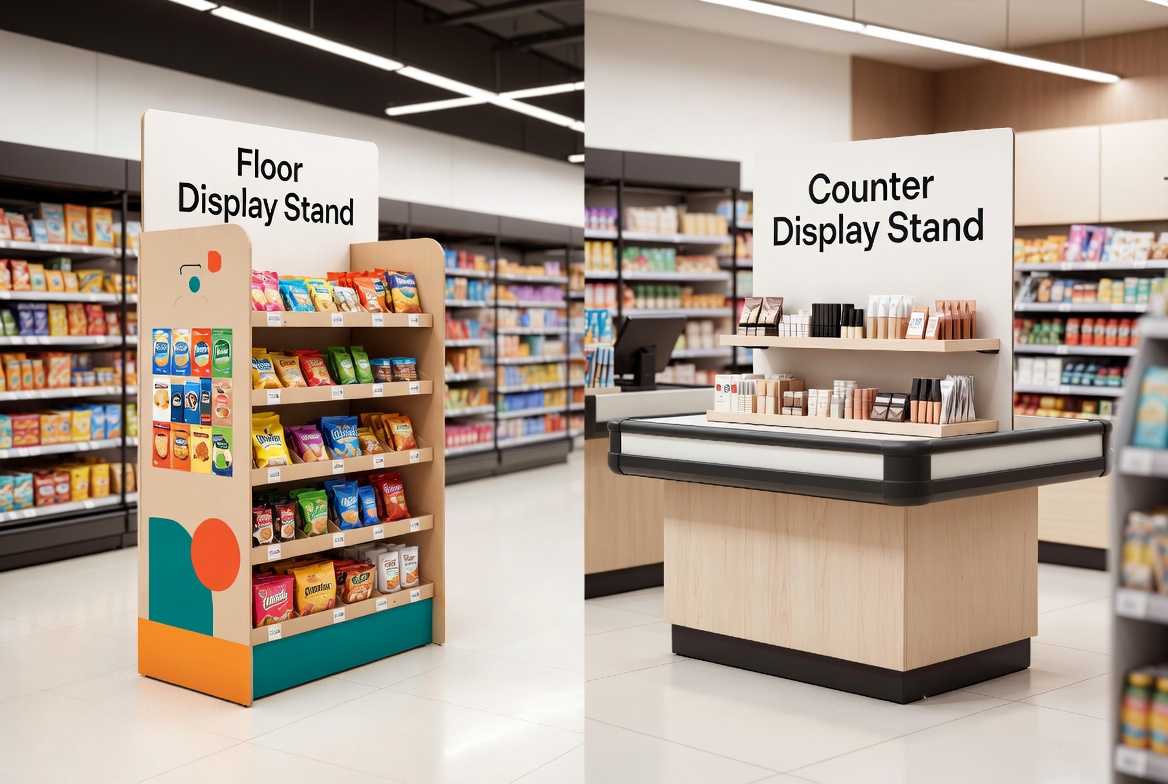
Retailers and brands typically choose from several core fixture categories when planning an update, including floor displays, counter displays, shelf-ready packaging, and signage systems. Each option serves a different placement strategy — floor displays maximize visibility for high-volume products, while counter displays work well for impulse purchases near checkout.
Choosing the right combination depends on your product category, store layout, and campaign goals — which is why working with an experienced manufacturer matters as much as the design itself.
Partner With an Experienced Display Manufacturer
Refreshing your retail displays is one of the fastest ways to reignite sales momentum, strengthen retailer relationships, and keep your brand visually relevant. With over 20 years of manufacturing experience serving brands and distributors in more than 30 countries, Shenzhen XingKun Packing Products Co., Ltd. specializes in durable, customizable display stands and printed packaging built for exactly these kinds of seasonal and campaign-driven refreshes. Contact our team today to discuss a display solution tailored to your product line, timeline, and sustainability goals.
Frequently Asked Questions
1. How often should retail displays be updated?
Most brands refresh displays seasonally, though high-traffic retailers may rotate monthly. Damage, rebranding, or new product launches can also trigger earlier updates.
2. What are the four basic types of retail displays?
Single-item, same-product, similar-product, and mixed displays cover nearly all retail merchandising scenarios.
3. Why are modular displays becoming more popular?
Modular fixtures reduce waste, lower long-term costs, and let brands swap panels or graphics for new campaigns without replacing the entire structure.
4. Do digital displays actually improve sales performance?
Yes — interactive and sensor-equipped displays give brands measurable engagement data, which helps refine both messaging and placement strategy.
5. What should brands look for in a display manufacturer?
Experience, manufacturing capacity, sustainable material options, and shorter production lead times are increasingly important selection criteria.
References
1. Creative Displays Now. "Guide to Changing and Updating Your Retail Displays." https://www.creativedisplaysnow.com/guides/updating-changing-retail-displays/
2. ShopPOPdisplays. "2026 Retail Display Trends: What's In and What's Out." https://www.shoppopdisplays.com/blog/2025/11/06/2026-retail-display-trends-whats-in-and-whats-out/
3. Acrylic Design Associates. "Six Retail Display Trends That Will Shape 2026." https://www.acrylicdesign.com/blogs-news/six-retail-display-trends-to-watch-in-2026
4. ShenZhen XingKun Packing Products Co., Ltd. "About Us." https://www.xkdisplay.com/


