Content Menu
● What Is Paperboard?
● Paperboard vs. Paper vs. Corrugated Board
● How Paperboard Is Made
● Main Types of Paperboard for Packaging
>> Solid Bleached Sulfate (SBS)
>> Coated Unbleached Kraft (CUK)
>> Coated Recycled Paperboard (CRB)
>> Folding Box Board (FBB)
>> Chipboard and Greyboard
● Common Paperboard Packaging Styles
>> Folding Cartons
>> Rigid Setup Boxes
>> Paper Tubes and Cylindrical Boxes
● How to Choose the Right Paperboard for Your Product
>> 1. Assess Product Weight and Shape
>> 2. Define the Packaging Function
>> 3. Choose the Right Board Thickness
>> 4. Match the Surface to the Print Design
>> 5. Plan for Transport and Climate
● Design Details That Improve Paperboard Packaging
● Practical Example: Choosing Paperboard for a Skincare Brand
● Sustainability Considerations for Paperboard Packaging
● Why Work With an Experienced Paperboard Box Manufacturer?
● Start Your Custom Paperboard Packaging Project
● Frequently Asked Questions
>> What is the difference between paperboard and cardboard?
>> Is paperboard suitable for food packaging?
>> What paperboard is best for cosmetic packaging?
>> Can paperboard boxes be recycled?
>> What is the best thickness for a paperboard box?
>> Are rigid boxes made from paperboard?
>> Can paperboard packaging be customized with premium finishes?
● References
Paperboard is a thick, paper-based packaging material used to create folding cartons, rigid gift boxes, retail sleeves, food cartons, cosmetic boxes, inserts, and many other printed packaging products. It is stronger and more rigid than ordinary paper, yet lighter, more printable, and easier to fold than many shipping-focused materials.
For brands, distributors, and product manufacturers, choosing the right paperboard is not simply a design decision. It affects product protection, print quality, perceived value, packing efficiency, transport performance, and end-of-life handling. After more than 20 years of producing custom printed packaging, our team at Shenzhen XingKun Packing Products Co., Ltd. has seen one principle repeatedly prove true: the best paperboard box is the one engineered around the product, not selected only by appearance.
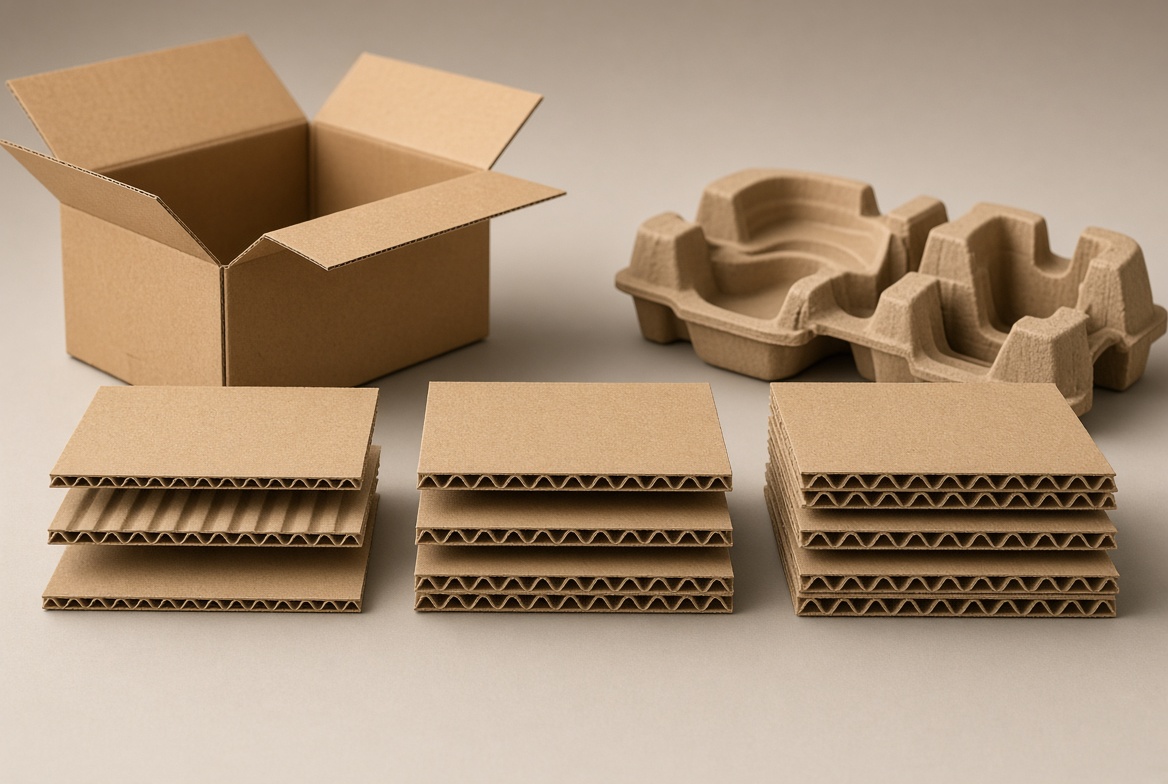
What Is Paperboard?
Paperboard, also called boxboard or cartonboard, is a paper-based material manufactured from virgin fiber, recycled fiber, or a combination of both. It is thicker and stiffer than standard printing paper, allowing it to be cut, scored, folded, glued, wrapped, laminated, or formed into packaging structures.
In many packaging applications, paperboard is used for products that need a polished retail presentation without the bulk of a corrugated shipping carton. Common examples include:
- Cosmetics and skincare boxes
- Tea, coffee, chocolate, and bakery cartons
- Pharmaceutical and supplement packaging
- Electronics accessory boxes
- Apparel and fashion accessory packaging
- Jewelry and gift boxes
- Stationery, toys, and promotional kits
- Retail display sleeves and product inserts
Paperboard is especially valued because it combines structural versatility and high-quality printing. It can support detailed artwork, brand colors, foil stamping, embossing, debossing, spot UV, matte lamination, gloss lamination, soft-touch finishes, windows, and custom die-cut shapes.
Unlike a plain product container, a well-designed paperboard package becomes part of the buying experience. It communicates what the product is, why it matters, and what level of quality a customer should expect before the item is even opened.
Paperboard vs. Paper vs. Corrugated Board
These materials are often confused because all are fiber-based. However, they perform very different jobs in packaging.
| Material |
Basic Structure |
Best For |
Main Advantage |
Main Limitation |
| Paper |
Thin sheet material |
Wrapping, labels, leaflets, tissue paper |
Flexible and lightweight |
Limited protection |
| Paperboard |
Thick, stiff paper-based sheet |
Folding cartons, rigid boxes, sleeves, inserts |
Excellent printing and retail presentation |
Less cushioning for heavy shipping |
| Corrugated board |
Flat liner sheets with a fluted middle layer |
Mailer boxes, shipping cartons, transport packaging |
Strong cushioning and stacking performance |
Bulkier and usually less refined for premium retail use |
Paperboard is often the preferred material when a product needs to look premium on a shelf, in a retail display, or during an unboxing experience. Corrugated board is usually selected when the primary requirement is shipping protection.
In practice, many successful packaging programs use both. For example, a skincare brand may place products in a printed paperboard folding carton, then pack multiple cartons into a corrugated master carton for export and distribution.
How Paperboard Is Made
Paperboard begins with fibers derived from wood pulp, recovered paper, or both. These fibers are processed into a slurry, formed into sheets, pressed, dried, and often coated to create a smoother printing surface.
Depending on the required performance, the board may contain multiple layers. Each layer can serve a different function:
- A top printable layer supports graphics, colors, and decorative finishes
- A middle layer adds thickness and stiffness
- A back layer improves structural balance or supports recycled-content requirements
- A coating layer can improve brightness, ink holdout, gloss, or resistance to grease and moisture
The result is a packaging substrate that can be engineered for a specific use case. A lightweight tea carton does not need the same material as a premium magnetic closure gift box, while a cosmetic carton may require a cleaner white surface and more precise color reproduction than an industrial accessory box.
Main Types of Paperboard for Packaging
Selecting the right board grade is one of the most important packaging decisions. It should be based on product weight, box structure, printing needs, desired appearance, budget, regulatory requirements, and distribution conditions.
Solid Bleached Sulfate (SBS)
Solid Bleached Sulfate, commonly called SBS, is a premium white paperboard made primarily from bleached virgin fiber. It is known for its bright surface, smooth texture, and excellent print performance.
SBS is often used for:
- Premium cosmetics and beauty products
- Fragrance packaging
- Health and personal care cartons
- Pharmaceutical cartons
- Confectionery and food packaging
- High-end consumer goods
Its clean white surface helps colors appear vivid and accurate. For brands using fine typography, pale color palettes, photographic graphics, metallic foil, or detailed illustrations, SBS is often a strong option.
The trade-off is cost. SBS may cost more than recycled grades, but the visual result can justify the investment for premium consumer-facing products.
Coated Unbleached Kraft (CUK)
Coated Unbleached Kraft is designed for strength. It is generally made with long virgin fibers that give the board good tear resistance, stiffness, and durability.
This material is often chosen for:
- Beverage carriers
- Hardware packaging
- Household product cartons
- Electronics accessories
- Heavier retail goods
- Products requiring a natural kraft appearance
CUK can include a coated printable side while retaining a more natural brown fiber appearance on the reverse side. This makes it useful for brands that want to balance a durable package structure with a more natural or industrial visual identity.
Coated Recycled Paperboard (CRB)
Coated Recycled Paperboard is manufactured primarily from recovered paper fibers. It is widely used for cartons where recycled content, cost control, and broad market availability are important.
Typical applications include:
- Cereal and dry food cartons
- Soap and detergent boxes
- Tissue and household product packaging
- General consumer goods
- Value-oriented retail packaging
CRB can deliver attractive printed packaging, but it should be selected carefully for demanding applications. Surface consistency, color reproduction, odor sensitivity, moisture exposure, and food-contact requirements should all be reviewed before production.
Folding Box Board (FBB)
Folding Box Board is a multi-ply board designed to provide a useful balance of stiffness, printability, and material efficiency. It is commonly used in food, personal care, healthcare, and consumer product packaging.
FBB is a practical choice when you need:
- Good stiffness at a relatively efficient board weight
- Strong folding and creasing performance
- A clean printable surface
- A balance between packaging appearance and material usage
For many brands, FBB can be an effective middle ground between premium visual requirements and practical cost management.
Chipboard and Greyboard
Chipboard and greyboard are dense, rigid boards commonly made from recycled fibers. They are generally not used as the final printed surface for premium packaging. Instead, they are often wrapped with printed art paper, specialty paper, fabric, or decorative materials.
They are commonly used for:
- Rigid setup boxes
- Luxury gift boxes
- Magnetic closure boxes
- Jewelry packaging
- Watch boxes
- Premium electronics packaging
- Board-game boxes and presentation kits
A rigid box typically uses greyboard as its structural core and printed paper as its decorative outer wrap. This construction creates a strong, high-value package that can significantly improve the perceived quality of the product inside.
Common Paperboard Packaging Styles
Paperboard can be converted into many box styles. The right structure depends on product dimensions, weight, packing method, retail environment, and customer experience goals.
Folding Cartons
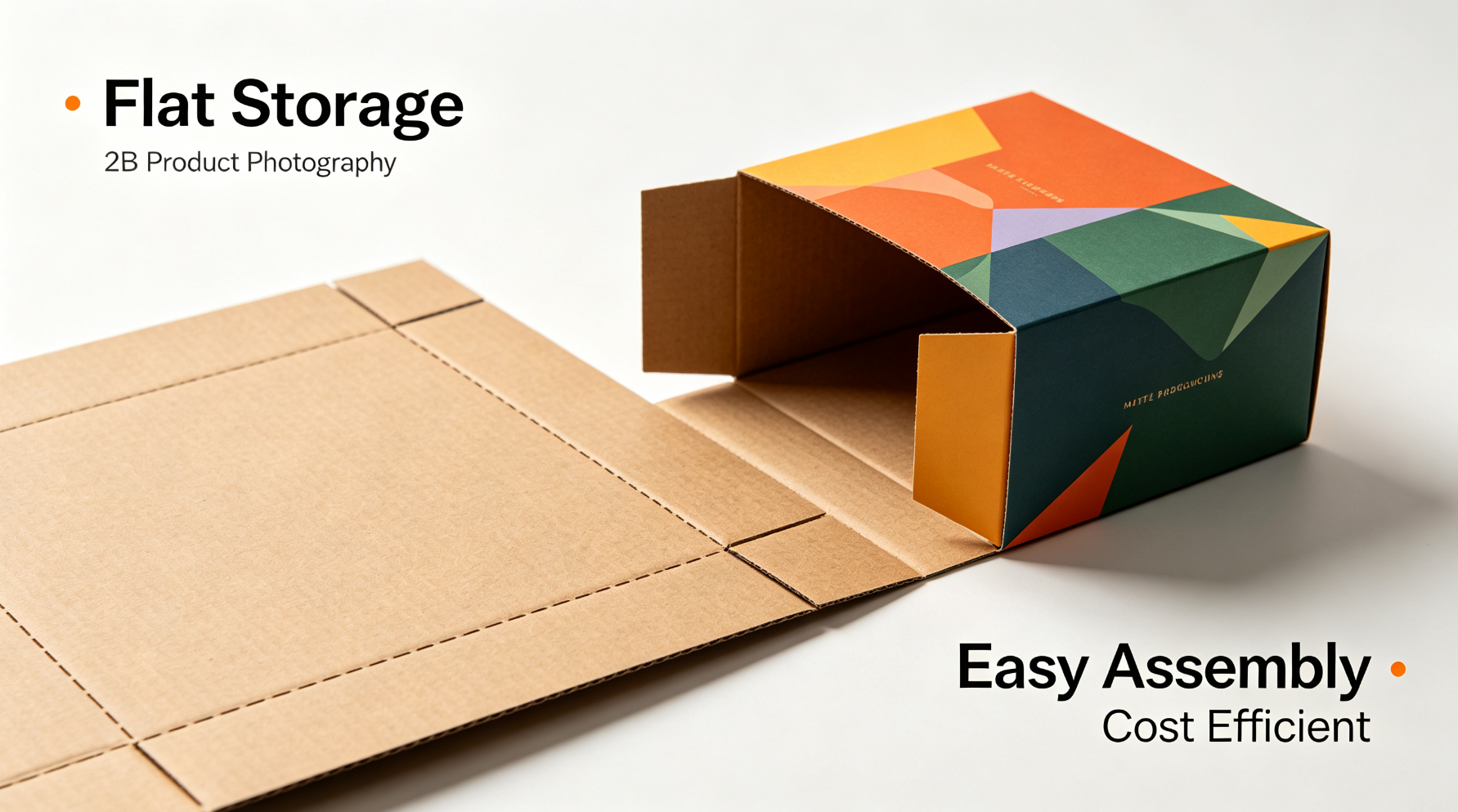
Folding cartons are supplied flat, then folded and glued into shape. They are economical to ship, efficient to store, and suitable for large-volume packaging programs.
Common folding carton styles include:
- Straight tuck end boxes
- Reverse tuck end boxes
- Auto-bottom boxes
- Snap-lock bottom boxes
- Sleeve boxes
- Display cartons
- Gable boxes
- Die-cut window boxes
They work well for lightweight to medium-weight products and are widely used in food, cosmetics, supplements, retail goods, and promotional packaging.
Rigid Setup Boxes
Rigid boxes are pre-assembled, durable, and designed to create a more premium unboxing experience. They do not collapse flat in the same way as folding cartons.
Popular rigid box styles include:
- Lid and base boxes
- Magnetic closure boxes
- Drawer boxes
- Shoulder and neck boxes
- Book-style boxes
- Hinged gift boxes
These boxes are ideal for luxury products, gifts, jewelry, electronics, premium cosmetics, and corporate presentation sets.
Paper Tubes and Cylindrical Boxes
Paper tubes are made by winding layers of paperboard into a cylindrical form. They can be finished with printed labels, wrapped paper, foil, textured materials, or custom lids.
They are commonly used for:
- Tea and coffee
- Candles
- Cosmetics
- Apparel accessories
- Posters and art prints
- Premium gift products
A tube package can provide a distinctive shelf appearance and can be particularly effective for brands that want to differentiate from standard square cartons.

How to Choose the Right Paperboard for Your Product
A paperboard specification should never be chosen only because it "looks nice" in a sample. The board must match the real conditions of production, packing, transport, retail display, and end use.
Use the following process before placing a production order.
1. Assess Product Weight and Shape
Start with the product itself. Consider its total weight, dimensions, sharp edges, fragile components, and whether it requires an insert.
A lightweight soap bar may need only a simple folding carton. A glass cosmetic bottle may require a heavier board, a reinforced bottom, or a fitted insert. A luxury electronic device may need a rigid box with protective inner trays.
2. Define the Packaging Function
Ask what the package must do:
- Protect the item from dust, compression, or scratching
- Communicate premium quality
- Display product information
- Support retail hanging or stacking
- Hold multiple components together
- Improve unboxing and gifting appeal
- Meet food, cosmetic, or pharmaceutical handling requirements
A package that performs one function well may fail at another. For example, a minimalist folding carton may look elegant but may not offer enough protection for a fragile item during international shipping.
3. Choose the Right Board Thickness
Thickness is usually described in points, millimeters, or grams per square meter. A thicker board can improve stiffness, but thickness alone does not guarantee strength.
Other factors matter, including:
- Fiber composition
- Board grade
- Grain direction
- Carton dimensions
- Crease design
- Product weight
- Box closure style
- Storage humidity
- Shipping conditions
In our production experience, oversized boxes made from a thicker board can still feel weak if the structural design is poor. Conversely, a carefully engineered carton can use material more efficiently while maintaining reliable performance.
4. Match the Surface to the Print Design
Your artwork should influence the material choice.
Choose a smoother, brighter board when you need:
- Detailed images
- Fine lines and small typography
- Bright brand colors
- High-contrast designs
- Foil stamping
- Embossing or debossing
- Premium beauty or luxury presentation
Choose kraft or recycled-looking materials when your brand needs a natural, handmade, eco-conscious, or industrial appearance.
5. Plan for Transport and Climate
Paperboard is fiber-based, so moisture and compression can affect its performance. Packaging intended for humid climates, sea freight, long-distance distribution, or warehouse stacking should be evaluated under realistic conditions.
For export packaging, consider:
- Inner box compression strength
- Outer corrugated carton design
- Carton stacking pattern
- Moisture protection
- Packing quantity per master carton
- Shipping method
- Product movement inside the box
This is especially important for brands serving multiple markets. Packaging that performs well in a dry local retail environment may require extra protection when shipped internationally.
Design Details That Improve Paperboard Packaging
Material choice is only one part of a successful package. Small structural and finishing decisions can improve both appearance and usability.
| Packaging Element |
Practical Benefit |
| Matte lamination |
Creates a refined, low-glare finish and helps protect printed surfaces |
| Gloss lamination |
Enhances color vibrancy and gives a polished appearance |
| Soft-touch lamination |
Adds a premium tactile experience for luxury packaging |
| Foil stamping |
Highlights logos, borders, and key visual details |
| Embossing or debossing |
Creates texture and gives branding more physical presence |
| Spot UV |
Adds selective shine and contrast to specific design areas |
| Die-cut window |
Lets customers see the product while keeping it protected |
| Custom insert |
Reduces movement and improves presentation during unboxing |
The most effective designs use these features with purpose. Too many finishes can make a package look busy, increase cost, and complicate production. A strong packaging concept usually has one clear visual priority: premium texture, vibrant print, natural material, metallic detail, or product visibility.
Practical Example: Choosing Paperboard for a Skincare Brand
Imagine a skincare brand launching a glass serum bottle in a 30 ml format.
The package needs to:
- Protect the glass bottle
- Present a clean, premium image
- Display ingredient and usage information
- Support small, readable text
- Travel safely through distribution
- Feel appropriate for a mid-to-high-end retail price point
A practical solution could include:
- A premium SBS folding carton for bright, accurate brand colors
- A reinforced bottom structure for better bottle support
- A custom paperboard insert to reduce movement
- Matte lamination for a refined appearance
- Foil stamping only on the brand logo for a controlled luxury detail
- A corrugated master carton for transportation protection
This approach separates the retail packaging role from the shipping role. The carton creates the visual experience, while the outer shipper manages logistics risk.
Sustainability Considerations for Paperboard Packaging
Paperboard can support responsible packaging strategies, but material claims should be specific and verifiable. A package is not automatically a better environmental choice simply because it is made from paper-based material.
Responsible packaging decisions often include:
- Selecting recycled-content board when appropriate
- Using fiber from responsibly managed sources
- Avoiding unnecessary material weight
- Designing packs that ship efficiently
- Reducing mixed-material components when possible
- Using recyclable structures where local collection systems accept them
- Avoiding coatings or decorative elements that may complicate recovery
In the United States, the paper recycling rate was estimated at 61% to 65% in 2025, while cardboard recovery was estimated at 70% to 75%. These figures show that fiber-based materials are supported by meaningful recovery systems, although actual recyclability still depends on local infrastructure, contamination, adhesives, coatings, and the specific package construction.
For brands, the practical goal is not to make broad claims. It is to design packaging that uses materials efficiently, performs reliably, and aligns with the recovery options available in the markets where products are sold.
Why Work With an Experienced Paperboard Box Manufacturer?
A packaging project involves more than printing a design on a sheet. It requires coordination among material selection, structural engineering, prepress review, color control, finishing, assembly, packing, and export logistics.
At Shenzhen XingKun Packing Products Co., Ltd., we have more than 20 years of experience producing custom packaging boxes and printed products for brands and distributors in over 30 countries and regions. Our role is to help customers translate packaging ideas into manufacturable products that meet commercial, visual, and practical requirements.
Before production, a professional packaging review should confirm:
1. Product dimensions and weight
2. Box style and opening experience
3. Paperboard grade and thickness
4. Artwork layout, bleed, and color requirements
5. Finishing options and cost impact
6. Insert or divider requirements
7. Sample approval standards
8. Master carton packing and shipping protection
The earlier these details are confirmed, the easier it is to avoid avoidable delays, material waste, and unexpected packaging costs.
Start Your Custom Paperboard Packaging Project
Paperboard packaging gives brands an exceptional range of possibilities, from economical folding cartons to luxury rigid gift boxes. The right solution should protect your product, represent your brand clearly, suit your budget, and perform consistently from factory packing through final delivery.
If you are developing a new product launch, updating existing retail boxes, sourcing custom folding cartons, or planning premium rigid packaging, share your product dimensions, target quantity, artwork, and preferred box style with our team. We can help you select a practical material, structure, print finish, and packing solution for your market.
Frequently Asked Questions
What is the difference between paperboard and cardboard?
Paperboard is a thick, stiff paper-based material mainly used for folding cartons, retail boxes, sleeves, and rigid box structures. Cardboard often refers to corrugated board, which has fluted layers designed for shipping protection, cushioning, and stacking strength.
Is paperboard suitable for food packaging?
Yes, paperboard is widely used for food cartons, bakery boxes, tea packaging, cereal cartons, and other applications. However, the material, coating, ink system, and any direct-food-contact requirements should be reviewed based on the specific food product and market regulations.
What paperboard is best for cosmetic packaging?
SBS and FBB are commonly selected for cosmetic packaging because they offer good printability, a clean appearance, and useful stiffness. For luxury presentation boxes, greyboard wrapped with printed specialty paper is also a popular choice.
Can paperboard boxes be recycled?
Many paperboard boxes can be recycled where local collection systems accept them. Actual recovery depends on the package construction, contamination level, coatings, laminations, adhesives, foil coverage, and local recycling rules.
What is the best thickness for a paperboard box?
There is no single best thickness. The correct specification depends on product weight, carton size, box style, insert requirements, printing method, shipping conditions, and desired appearance. A packaging sample and structural review are the most reliable way to confirm the right board.
Are rigid boxes made from paperboard?
Yes. Most rigid setup boxes use dense chipboard or greyboard as the structural core. The board is then wrapped with printed paper, specialty paper, fabric, or other decorative materials to create the finished box.
Can paperboard packaging be customized with premium finishes?
Yes. Paperboard packaging can use lamination, foil stamping, embossing, debossing, spot UV, textured paper, die-cut windows, custom inserts, ribbons, magnets, and other decorative features. The best selection depends on brand positioning, product value, and production budget.
References
- [Custom Box Makers — What Is Paperboard Packaging?]
- [American Forest & Paper Association — Paper and Cardboard Recycling Facts]
- [American Forest & Paper Association — Packaging Materials Overview]
- [Fibre Box Association — What Is Corrugated?]
- [Netpak — Paperboard Material in Folding Carton Packaging]
- [Meyers — Paperboard Packaging and Sustainability]


