Content Menu
● What Do Jewelry Box Dimensions Mean?
● Why Jewelry Box Size Matters
>> Protection During Handling and Delivery
>> Premium Product Presentation
>> Material and Freight Efficiency
>> Better Shelf and Brand Consistency
● Internal vs. External Jewelry Box Dimensions
>> A Simple Measurement Method
● Standard Jewelry Box Dimensions by Product Type
● Ring Box Dimensions for Modern Jewelry Brands
>> Key Design Considerations for Ring Packaging
● Earring Box Dimensions and Insert Design
>> Best Practices for Earring Boxes
● Necklace and Pendant Box Dimensions
>> How to Keep Necklaces Organized
● Bracelet, Bangle, and Watch Box Sizes
>> When to Use a Cushion or Molded Insert
● How Box Materials Affect Usable Space
>> Rigid Board Jewelry Boxes
>> Folding Cartons
>> Kraft Paper and Paperboard Options
● Build a Jewelry Box Specification Before Production
● Jewelry Packaging for E-Commerce Shipping
>> E-Commerce Packaging Checklist
● Sustainable Choices Without Reducing Luxury
>> More Responsible Jewelry Packaging Options
● Common Jewelry Box Sizing Mistakes
>> Measuring Only the Outside of the Box
>> Ignoring Product Movement
>> Forgetting About Raised Components
>> Choosing One Box for Every Product
>> Approving Samples Without Real Jewelry
● Partner With XingKun for Custom Jewelry Boxes
● Frequently Asked Questions
>> What is the standard size of a jewelry box?
>> Should I use internal or external jewelry box dimensions?
>> How much clearance should jewelry have inside a box?
>> What size box is best for a necklace?
>> What insert is best for rings and earrings?
>> Can one jewelry box work for several product types?
>> Are rigid jewelry boxes better than folding cartons?
>> How can I reduce jewelry packaging shipping costs?
● References
Choosing the right jewelry box dimensions is not simply a matter of putting a ring, necklace, or bracelet into the smallest available package. The correct size protects delicate products, supports a premium unboxing experience, controls shipping costs, and makes the jewelry look intentional at the moment of purchase.
At Shenzhen XingKun Packing Products Co., Ltd., we have spent more than 20 years producing printed packaging and custom boxes for brands and distributors in over 30 countries and regions. From compact ring boxes to rigid gift boxes for complete jewelry sets, one lesson remains consistent: the best jewelry packaging begins with the usable internal space—not the outer box measurement.
This guide explains how to select jewelry box sizes, measure them correctly, account for inserts and material thickness, and create packaging that works for retail shelves, e-commerce fulfillment, gifting, and international shipping.
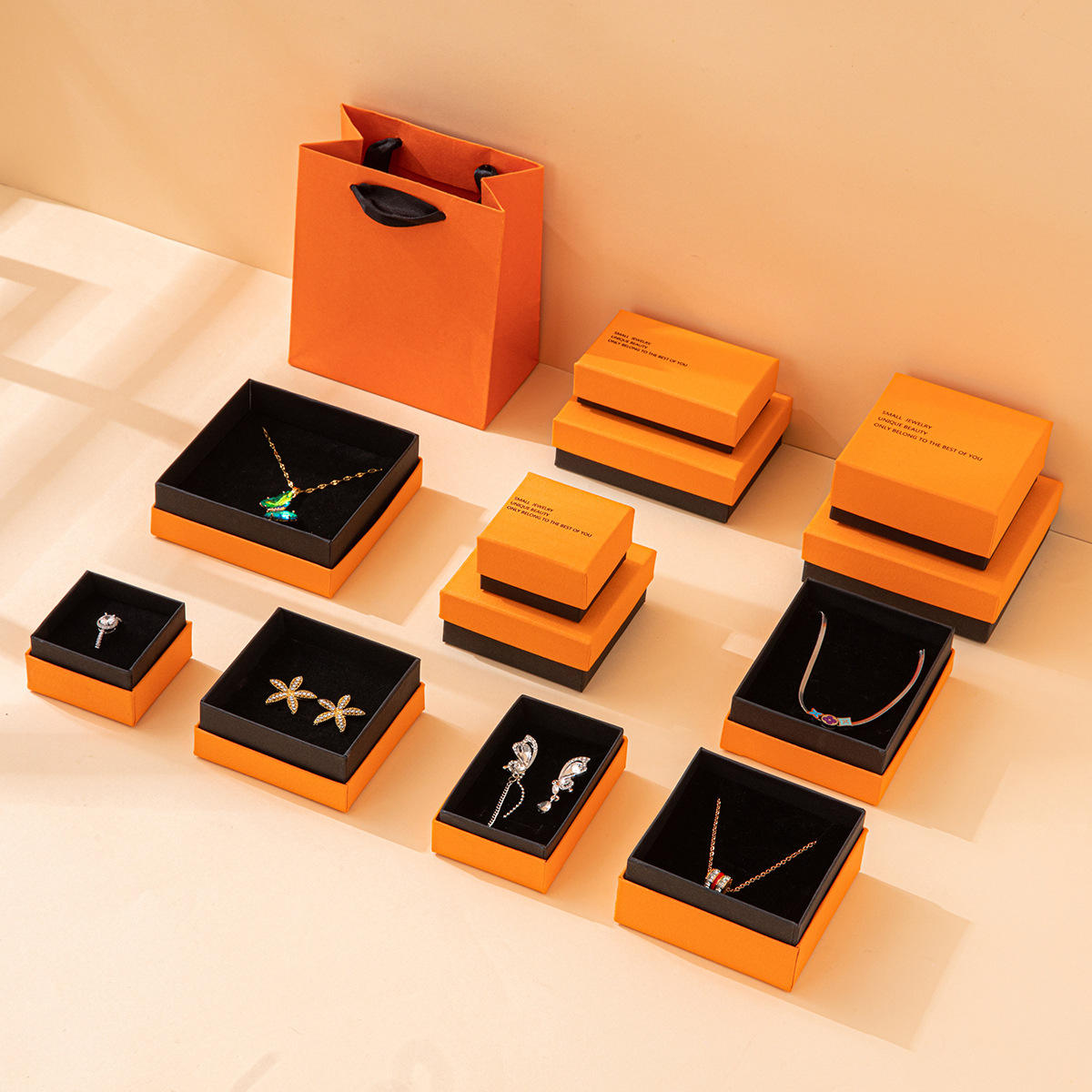
What Do Jewelry Box Dimensions Mean?
Jewelry box dimensions describe a package's length, width, and height. They are normally written in this order:
Length×Width×Height
For example:
3×3×1.5 inches
This means the box is 3 inches long, 3 inches wide, and 1.5 inches high.
However, brands should clarify whether these measurements refer to the internal dimensions or external dimensions. This small detail has a major effect on fit, protection, production cost, and delivery efficiency.
- Length: Usually the longest horizontal side.
- Width: The shorter horizontal side.
- Height: The vertical depth of the closed box.
- Internal dimensions: The usable area available for the jewelry, insert, lining, and protective clearance.
- External dimensions: The outside measurement of the finished box, which is important for storage, display, master cartons, and freight planning.
A package may appear large enough when measured externally, but thick greyboard, velvet lining, EVA foam, card inserts, or magnetic closures can significantly reduce the interior capacity. For this reason, our packaging team normally starts with the product itself, then develops the insert, and only afterward confirms the outer box size.
Why Jewelry Box Size Matters
A well-sized jewelry box does much more than hold an item in place. It influences both product protection and brand perception.
Protection During Handling and Delivery
Jewelry can scratch, tangle, bend, shift, or become damaged if the box leaves too much open space. Conversely, a box that is too tight may press against stones, clasps, chains, or raised ring settings.
A properly designed insert keeps the product stable while the box is moved, stored, shipped, or opened by the customer. This is especially important for e-commerce brands, where an individual parcel may be exposed to vibration, drops, compression, and repeated handling during delivery.
Premium Product Presentation
Jewelry is often purchased for emotional occasions: engagements, anniversaries, birthdays, holidays, achievements, and personal milestones. The box is therefore part of the product experience.
A ring presented upright in a suede-style insert looks more valuable than the same ring placed loosely inside an oversized carton. A necklace displayed in an organized tray is more appealing than one that arrives tangled. The right dimensions turn packaging into a presentation tool.
Material and Freight Efficiency
Oversized boxes consume more paperboard, rigid board, lining material, filling material, and shipping space. They can also increase dimensional-weight charges for parcel shipments.
Compact, product-fitted packaging helps brands:
- Reduce avoidable material use
- Improve carton-packing efficiency
- Lower storage requirements
- Create a cleaner retail presentation
- Reduce the need for excessive void fill
- Improve unboxing consistency across product lines
Better Shelf and Brand Consistency
For retailers and jewelry brands with multiple SKUs, standardized packaging families can improve merchandising. A coordinated set of small, medium, and large box formats creates a more organized display while helping operations teams simplify inventory planning.
For example, one brand might use a square format for rings and earrings, a longer rectangular format for bracelets, and a larger rigid box for necklace-and-earring gift sets. The colors, logo placement, ribbons, and interior materials can stay consistent even when the dimensions change.
Internal vs. External Jewelry Box Dimensions
The most common packaging mistake is choosing a box based only on its outside size.
Imagine that a finished box measures 3 × 3 × 1.5 inches externally. That does not mean it provides 3 × 3 × 1.5 inches of usable space. The actual interior may be reduced by:
- Rigid board thickness
- Wrapped paper thickness
- Velvet or fabric lining
- Foam or EVA inserts
- Folded paperboard structures
- Magnetic flaps or reinforced edges
- Internal dividers, trays, and ribbon pulls
A custom rigid box may lose several millimeters on every side compared with its external measurement. For small jewelry, even a minor dimensional difference can affect whether a pendant lies flat, whether a ring stands upright, or whether a watch cushion fits correctly.
A Simple Measurement Method
Use this process before requesting a quotation or approving a sample:
1. Measure the jewelry item at its widest, longest, and tallest points.
2. Identify delicate areas such as stones, prongs, clasps, chain ends, watch crowns, or decorative elements.
3. Decide the display position—flat, upright, centered, folded, or wrapped around a cushion.
4. Select the insert type before finalizing the box size.
5. Add a reasonable clearance margin so the item fits comfortably without moving excessively.
6. Confirm the internal dimensions with the packaging manufacturer.
7. Review the external dimensions for shipping, shelf placement, and master-carton optimization.
A practical rule is to avoid judging fit from a digital rendering alone. Always place the real product into a physical sample before mass production.
Standard Jewelry Box Dimensions by Product Type
There is no universal jewelry box size because product proportions, material thickness, inserts, and brand preferences vary. Still, the following ranges provide a useful starting point for custom packaging development.
| Jewelry Type |
Typical Internal Dimensions |
Common Box Style |
Insert Recommendation |
| Ring |
2 × 2 × 1.5 inches |
Square rigid box or hinged box |
Slotted foam, velvet pad, or flocked insert |
| Stud earrings |
2.5 × 2.5 × 1 inch |
Shallow square box |
Card insert or foam pad |
| Drop earrings |
3 × 2.5 × 1 inch |
Rectangular shallow box |
EVA foam or earring card |
| Pendant |
4 × 4 × 1 inch |
Square or book-style box |
Card with hooks or recessed insert |
| Bracelet |
6 × 4 × 1.5 inches |
Long rectangular box |
Foam insert, ribbon holder, or cushion |
| Bangle |
4 × 4 × 2 inches |
Square rigid box |
Circular holder or molded insert |
| Necklace |
7 × 5 × 1 inch |
Flat rectangular box |
Hooked card, grooved insert, or tray |
| Watch |
5 × 4 × 2 inches |
Deep rigid box |
Watch pillow or molded EVA insert |
| Jewelry set |
8 × 6 × 2 inches or larger |
Premium rigid gift box |
Multi-compartment insert or layered tray |
These dimensions should be treated as planning ranges, not fixed production specifications. A thick chain, oversized gemstone, large watch case, layered necklace, or multi-piece collection may require a different structure.
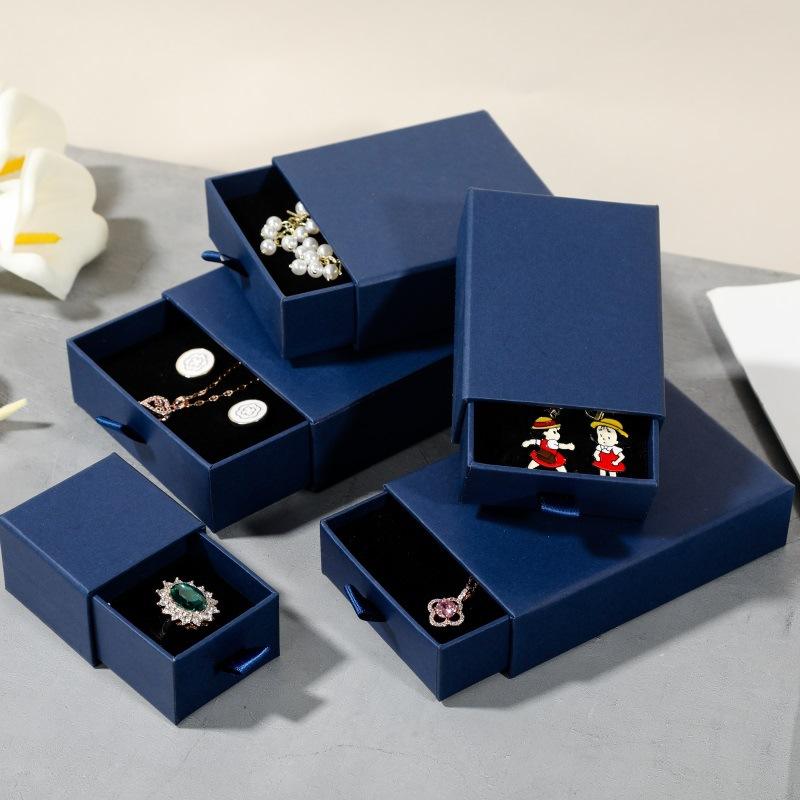
Ring Box Dimensions for Modern Jewelry Brands
Ring boxes are small, but they carry a large emotional and commercial role. They are commonly used for engagement rings, wedding bands, promise rings, fashion rings, and premium gift items.
A typical ring box may offer an internal space close to 2 × 2 × 1.5 inches, but the final size depends heavily on the ring's setting height and display angle.
Key Design Considerations for Ring Packaging
- Use a vertical slot to display the ring face forward.
- Add depth for tall solitaire settings or raised gemstones.
- Avoid excessive internal space that allows the ring to rotate.
- Consider a hinged lid for a more ceremonial opening experience.
- Use a dense insert material to hold the ring securely.
- Choose soft linings that reduce the risk of surface scratches.
- Allow room for a logo, care card, authenticity card, or small message card if required.
For proposal-focused packaging, many brands choose a compact square rigid box with a lift-off lid or hinged structure. For fashion jewelry sold in volume, a folding carton with a printed insert can provide a more cost-efficient option.
Earring Box Dimensions and Insert Design
Earring packaging should prevent the pair from moving independently. Studs, hoops, hooks, and statement earrings all require different holding methods.
For small stud earrings, an internal box size around 2.5 × 2.5 × 1 inch may work well. Longer drop earrings often need more width or height, especially if they must remain visible on a presentation card.
Best Practices for Earring Boxes
- Use paired holes or slots to keep earrings aligned.
- Avoid excessive depth that makes small earrings difficult to see.
- Add a branded earring card for low-weight retail packaging.
- Use EVA foam for higher-value products needing firm protection.
- Consider removable inserts if one box will support different collections.
- Confirm that earring posts and backs do not pierce or deform the insert.
A compact earring box should feel deliberate rather than empty. The customer should be able to open the lid and immediately understand what they are receiving.
Necklace and Pendant Box Dimensions
Necklaces are more challenging because chains can tangle, pendants can shift, and long pieces need controlled positioning.
A common starting size for a standard necklace box is 7 × 5 × 1 inches internally. However, longer chains, multi-layer necklaces, thick link chains, and statement pendants may require more space or a custom insert design.
How to Keep Necklaces Organized
- Use small hooks or elastic loops to secure both ends of the chain.
- Place the pendant in a recessed area at the center.
- Use a flat display card when a lightweight presentation is sufficient.
- Select a long rectangular box for chains that need a stretched layout.
- Avoid too much interior depth, which can allow the necklace to shift during transport.
- Test the packaging with the chain fastened and unfastened.
For luxury collections, a rigid lift-off box with a velvet-style tray can add visual impact. For direct-to-consumer shipment, the jewelry box may also need an outer mailer or protective shipping carton to protect the retail package from delivery damage.
Bracelet, Bangle, and Watch Box Sizes
Bracelets vary widely. A fine chain bracelet may fit in a shallow rectangular box, while a rigid bangle requires extra width and a circular or molded holding structure.
A standard bracelet box often begins around 6 × 4 × 1.5 inches internally. For bangles, the box may need to be more square and deeper, depending on diameter and decorative thickness.
Watch boxes generally require more depth because the case, crown, strap, and cushion occupy significant space. An internal size around 5 × 4 × 2 inches is a common starting point for a standard watch, but oversized sports watches and gift-set packages often require larger dimensions.
When to Use a Cushion or Molded Insert
Use a pillow-style cushion when the product needs to be wrapped or elevated, such as watches, bracelets, and certain bangles. Use a molded insert when the item has a defined shape and must remain motionless during transport.
A molded insert is particularly valuable for premium watches, fragile jewelry sets, and items with irregular shapes. It can be produced with EVA foam, sponge foam, paper pulp, paperboard, or other materials depending on appearance, protection needs, and budget.
How Box Materials Affect Usable Space
The same outer dimensions can deliver very different internal capacities depending on the box construction.
Rigid Board Jewelry Boxes
Rigid boxes are widely used for premium jewelry because they are strong, elegant, and highly customizable. They can be wrapped in specialty paper, textured paper, foil-stamped paper, fabric, or printed art paper.
However, rigid board structures take up more internal space than lightweight folding cartons. If your jewelry has a close fit, internal dimensions must be confirmed carefully.
Folding Cartons
Folding cartons are generally lighter and more space-efficient. They are suitable for fashion jewelry, promotional programs, retail accessories, and brands that need a lower shipping weight.
They can be printed with detailed graphics, product information, QR codes, care instructions, and brand storytelling. Their internal structure may be reinforced with a card insert or foam tray.
Kraft Paper and Paperboard Options
Kraft packaging can create a natural, handmade, or minimalist appearance. It may work well for artisanal jewelry, eco-minded collections, and lightweight products.
If responsible material sourcing is part of a brand's packaging strategy, use a verified supply-chain approach and ensure environmental claims accurately match the materials and certification status. Forest-based material certification systems can track certified materials through the production and distribution chain, but a brand should only use certification claims when all applicable requirements have been met.
Build a Jewelry Box Specification Before Production
A clear specification reduces sampling delays, prevents misunderstandings, and helps manufacturers quote accurately.
Before requesting a custom jewelry box, prepare the following information:
1. Jewelry product dimensions in millimeters or inches.
2. Product weight, especially for watches and multi-piece sets.
3. Required internal dimensions after the insert is installed.
4. Preferred box structure, such as lid-and-base, drawer box, magnetic box, hinged box, or folding carton.
5. Insert material and layout, including slots, hooks, cushions, trays, or compartments.
6. Exterior material, such as art paper, textured paper, kraft paper, fabric, or specialty paper.
7. Printing and finishing needs, including foil stamping, embossing, debossing, spot UV, lamination, or logo placement.
8. Quantity and destination market, which affect production planning and freight options.
9. Outer shipping requirements, especially if the box will ship directly to consumers.
10. Sample approval criteria, including fit, color, print quality, insert stability, and opening experience.
At XingKun, our packaging development process often begins with a product sample or accurate product measurements. We then evaluate the structure, insert, material thickness, artwork position, and shipping needs together. This approach helps reduce the risk of approving a visually attractive box that does not function correctly in real use.
Jewelry Packaging for E-Commerce Shipping
Retail packaging and shipping packaging serve different jobs. A luxury jewelry box creates presentation value, while an outer mailer or corrugated carton helps protect it through parcel delivery.
For many e-commerce orders, the most reliable structure is:
Jewelry→Insert→Retail Box→Protective Mailer→Shipping Carton
The retail box should fit the product well. The outer shipping package should provide enough protection against handling, vibration, and impact without using excessive void fill.
Parcel-delivery performance testing procedures are designed to simulate common transport stresses for individually shipped packages, including packages sent by air or ground. This makes physical testing especially valuable for fragile, high-value, or frequently shipped jewelry products.
E-Commerce Packaging Checklist
- Confirm that the jewelry cannot move inside the insert.
- Check that the lid does not open during transport.
- Make sure the retail box does not scuff easily inside the shipper.
- Add a protective outer carton for premium rigid boxes.
- Use the smallest practical mailer or shipping carton.
- Test the complete packed order, not only the jewelry box.
- Check whether the unboxing experience remains clean after shipping.
- Review dimensional weight before locking in box sizes.
Sustainable Choices Without Reducing Luxury
Sustainability and premium presentation do not have to conflict. The most effective approach is usually to reduce unnecessary material while choosing durable, well-designed components.
Consumer research continues to show that packaging sustainability matters to shoppers, with recyclability frequently ranked as a leading consideration. For jewelry brands, this makes practical design choices increasingly relevant.
More Responsible Jewelry Packaging Options
- Right-size the box to reduce unused space.
- Use paper-based outer packaging where appropriate.
- Avoid unnecessary plastic windows or mixed materials.
- Design removable inserts so the box can be reused.
- Choose recyclable paperboard options when compatible with the product.
- Use refillable or reusable rigid boxes for premium collections.
- Consolidate multiple jewelry items into a well-designed gift-set package.
- Clearly communicate disposal instructions where relevant.
The best choice depends on the jewelry's value, fragility, shipping method, and customer expectations. A lightweight paperboard box may be suitable for an entry-level accessory, while a premium ring or watch may need a stronger rigid structure that customers are likely to keep and reuse.
Common Jewelry Box Sizing Mistakes
Even an attractive package can fail if the dimensions are not engineered around the product.
Measuring Only the Outside of the Box
External dimensions help with freight and storage, but they do not show whether the jewelry fits. Always confirm the finished internal space after linings and inserts are installed.
Ignoring Product Movement
Too much empty space allows necklaces to tangle, earrings to flip, and rings to shift. The insert should stabilize the jewelry without squeezing it.
Forgetting About Raised Components
Tall gemstones, watch crowns, thick clasps, and layered pendants can cause pressure damage if the lid closes too tightly. Measure the highest point of the product.
Choosing One Box for Every Product
A single universal box may simplify purchasing, but it often creates a poor presentation and unnecessary material waste. A small range of standardized sizes is usually more effective.
Approving Samples Without Real Jewelry
A sample must be tested with the actual item, not only a drawing or approximate measurement. This is the most practical way to identify fit, movement, clearance, and visual issues before production.
Partner With XingKun for Custom Jewelry Boxes
The right jewelry box dimensions protect your products, improve brand perception, and support more efficient fulfillment. Whether you need compact ring boxes, elegant necklace boxes, branded earring cartons, watch packaging, or complete jewelry gift sets, the box should be developed around the real item and its intended customer experience.
Shenzhen XingKun Packing Products Co., Ltd. brings more than two decades of printing and packaging manufacturing experience to custom projects for global brands and distributors. We can help evaluate your product measurements, recommend suitable box structures and insert options, produce samples, and develop printed jewelry packaging that reflects your brand.
Send us your jewelry size, preferred box style, artwork, quantity, and destination market to receive a practical custom packaging recommendation.
Frequently Asked Questions
What is the standard size of a jewelry box?
There is no single standard size because rings, earrings, necklaces, watches, and jewelry sets have different shapes and presentation needs. A small ring box may be around 2 × 2 × 1.5 inches internally, while a necklace box may begin around 7 × 5 × 1 inches.
Should I use internal or external jewelry box dimensions?
Use internal dimensions to confirm that the product and insert fit correctly. Use external dimensions to plan shelf space, storage, master cartons, freight, and shipping costs. Both are important, but internal dimensions should guide the initial packaging design.
How much clearance should jewelry have inside a box?
The jewelry should have enough clearance to avoid pressure against the lid, walls, or insert, but not so much space that it shifts during transport. The exact amount depends on the product shape and insert material. Testing a finished sample with the actual jewelry is the most reliable method.
What size box is best for a necklace?
A common starting point is approximately 7 × 5 × 1 inches internally. The best size depends on the chain length, pendant size, chain thickness, and whether the necklace is displayed flat, secured with hooks, or placed in a tray.
What insert is best for rings and earrings?
Rings usually need a slotted foam, flocked, velvet-style, or EVA insert that holds the band upright. Earrings can use an earring card, foam pad, or EVA insert with holes or slots. The best choice depends on product value, weight, retail presentation, and shipping requirements.
Can one jewelry box work for several product types?
It can, but the result may not look premium or provide the best protection. A better approach is to use a small family of box sizes with interchangeable inserts. This maintains brand consistency while fitting different products more effectively.
Are rigid jewelry boxes better than folding cartons?
Rigid boxes generally provide a more luxurious feel, higher structural strength, and better reuse value. Folding cartons are lighter, often more economical, and suitable for many fashion jewelry applications. The right choice depends on your product positioning, order quantity, shipping method, and budget.
How can I reduce jewelry packaging shipping costs?
Start with product-fitted internal dimensions, minimize unnecessary height, select an efficient outer shipping carton, and avoid oversized void fill. Reviewing the complete packed order before production can help identify opportunities to reduce dimensional weight and improve carton utilization.
References
1. [Custom Box Makers — Jewelry Box Dimensions: Complete Size Guide & Considerations]
2. [International Safe Transit Association — Test Procedures]
3. [International Safe Transit Association — Getting Started with Package Design and Testing]
4. [ANSI Webstore — ISTA Procedure 3A: Packaged-Products for Parcel Delivery System Shipment]
5. [Forest Stewardship Council — Chain of Custody Certification]
6. [Forest Stewardship Council — Paper and Packaging]
7. [McKinsey — Sustainable Packaging: 2025 Global Consumer Views]
8. [Shorr Packaging — 2025 Sustainable Packaging Consumer Report]


