Content Menu
● Why Industrial Nameplate Maintenance Matters
● Identify Your Nameplate Before Choosing a Cleaner
● How to Clean Nameplates: A Seven-Step Procedure
>> 1. Make the Equipment Safe
>> 2. Inspect Before Wiping
>> 3. Remove Loose Contamination Gently
>> 4. Test a Mild Cleaning Solution
>> 5. Clean With Light Pressure
>> 6. Remove Residue and Dry
>> 7. Verify Identification and Attachment
● Material-Specific Nameplate Cleaning Tips
>> Cleaning Anodized Aluminum Nameplates
>> Cleaning Stainless Steel Nameplates
>> Cleaning Etched and Printed Nameplates
● Prevent the Four Main Causes of Nameplate Damage
>> Abrasion and Repeated Contact
>> Moisture, Salt, and Corrosive Deposits
>> Chemical Exposure
>> Heat, Cold, and Temperature Cycling
● Build a Risk-Based Nameplate Maintenance Schedule
● Validate Cleaning Compatibility Before Bulk Production
● Repair or Replace? Use a Clear Decision Rule
● Specify Easier-to-Maintain Nameplates With XingKun
● Frequently Asked Questions
>> How Do You Clean a Metal Nameplate Safely?
>> Can I Use Alcohol on a Nameplate?
>> How Often Should Industrial Nameplates Be Cleaned?
>> Can Stainless Steel Nameplates Rust?
>> Can Faded Nameplate Printing Be Restored?
>> What Should I Send When Requesting Replacement Nameplates?
● References
Effective nameplate maintenance keeps product identification readable, protects your branding, and helps maintenance teams access essential equipment information. Whether you manage stainless steel equipment plates, anodized aluminum tags, or printed product labels, the safest approach starts with understanding the complete construction—not simply the visible surface.
At Shenzhen XingKun Packing Products Co., Ltd., we bring more than 20 years of printing and packaging manufacturing experience, serving brands and distributors across over 30 countries and regions. Our practical recommendation is straightforward: select the identification system around its operating environment, then maintain it using a documented, compatible cleaning process.
This guide explains how to clean nameplates, prevent avoidable damage, and decide when replacement makes more sense than restoration.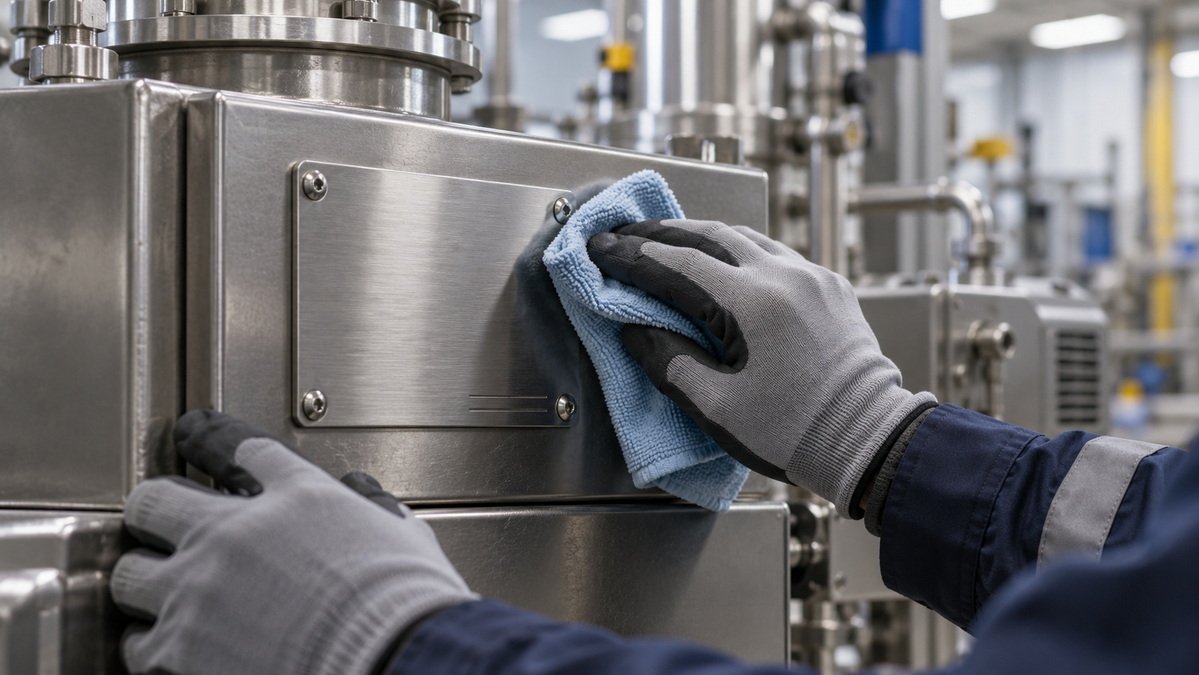
Why Industrial Nameplate Maintenance Matters
A nameplate may carry a serial number, electrical rating, warning, maintenance instruction, or traceability code. When this information becomes unreadable, the problem extends beyond appearance.
Technicians may struggle to identify replacement parts. Distributors may have difficulty matching products to records. Operators may lose access to important instructions.
For that reason, we recommend treating legibility as the primary maintenance objective. A polished surface is not a successful result if cleaning has removed a printed rating or weakened the attachment.
Before starting, identify which information must remain readable and photograph the plate. This creates a useful reference without treating the photograph as a substitute for required physical identification.
Identify Your Nameplate Before Choosing a Cleaner
A metal substrate does not automatically make the entire nameplate solvent-resistant. Ink, paint infill, clear coatings, protective films, and adhesives can have different limitations.
Check the supplier's specification for the complete assembly. If the construction is unknown, start conservatively and request guidance before using stronger products.
| Nameplate construction | Conservative starting method | Main concern |
| Anodized aluminum | Mild soap, water, and a soft cloth | Strong acids, alkalis, and abrasion can damage the finish |
| Stainless steel | Mild detergent, water, and a soft cloth | Chloride exposure, embedded contamination, and incompatible graphics |
| Etched or engraved metal | Gentle wiping; soft swab for recesses | Paint infill may be less resistant than the underlying metal |
| Printed or coated metal | Supplier-approved cleaner after a spot test | Ink removal, discoloration, or coating damage |
| Polyester or laminated labels | Light wiping with an approved solution | Film damage, edge lifting, or adhesive deterioration |
These are starting points, not blanket compatibility guarantees. Always prioritize the manufacturer's instructions over a generic cleaning guide.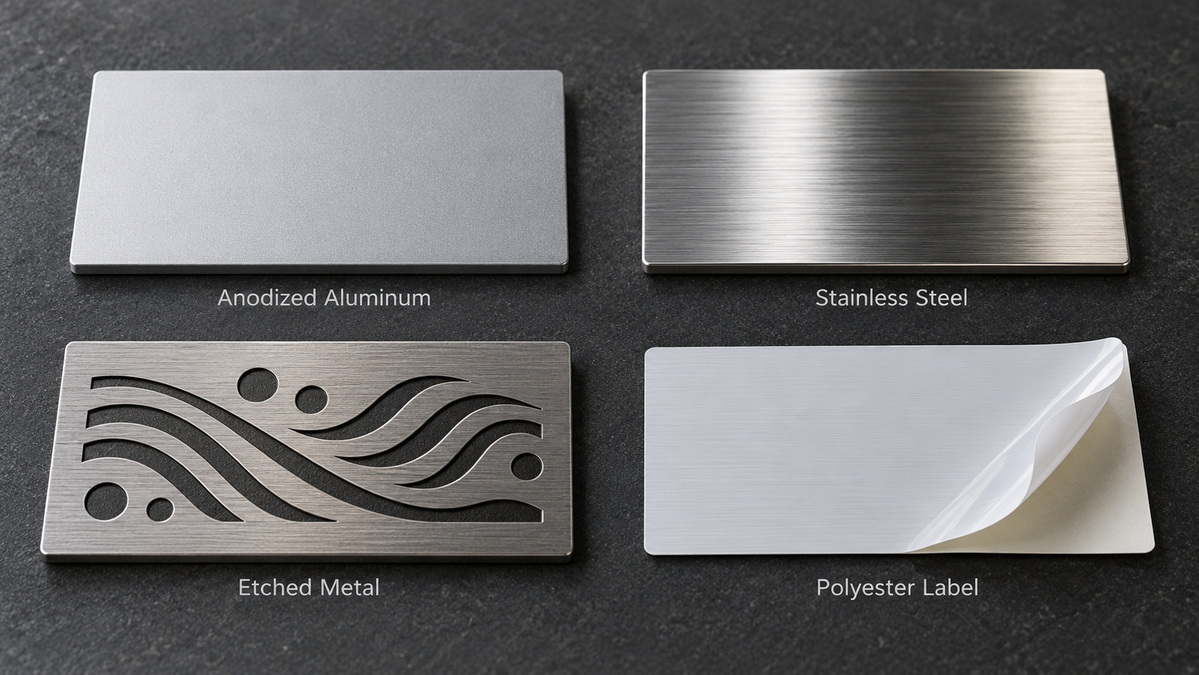
How to Clean Nameplates: A Seven-Step Procedure
1. Make the Equipment Safe
Follow site procedures before accessing machinery. Do not clean near moving parts, energized components, or hot surfaces unless an approved procedure allows it.
Allow the plate to reach an appropriate handling temperature. Avoid introducing cleaning liquid into electrical enclosures, vents, or equipment seams.
2. Inspect Before Wiping
Look for loose fasteners, lifting corners, cracked coatings, corrosion, and missing characters. Record existing damage so it is not mistaken for a cleaning-related failure.
If a safety-critical marking is already unreadable, escalate the issue rather than attempting increasingly aggressive restoration.
3. Remove Loose Contamination Gently
Lift away loose dust with a clean, soft cloth. Avoid dragging gritty particles across the surface.
Use a fresh cloth when the first becomes dirty. Reusing a contaminated cloth can turn a gentle wipe into an abrasive action.
4. Test a Mild Cleaning Solution
Use mild soap or a compatible detergent diluted according to its instructions. Test an inconspicuous area or, preferably, a spare sample with the same construction.
Check for color transfer, gloss changes, softening, or tackiness. Stop if the test changes the appearance or feel of the surface.
5. Clean With Light Pressure
Dampen the cloth rather than spraying directly onto the plate. Wipe gently, avoiding unnecessary saturation around adhesive edges.
For etched characters, use a soft cotton swab where needed. Do not scrape recesses with metal picks or scrub painted lettering with abrasive pads.
6. Remove Residue and Dry
Wipe away cleaning residue with a separate cloth lightly dampened with clean water, where the assembly and equipment permit.
Dry with a soft, lint-free cloth. Pay attention to recesses and edges without forcing water beneath the plate.
7. Verify Identification and Attachment
Confirm that required text remains readable under normal working conditions. Check corners, fasteners, and adhesive edges.
If the plate carries a barcode or QR code, test it with the intended scanning device. Record any deterioration for follow-up.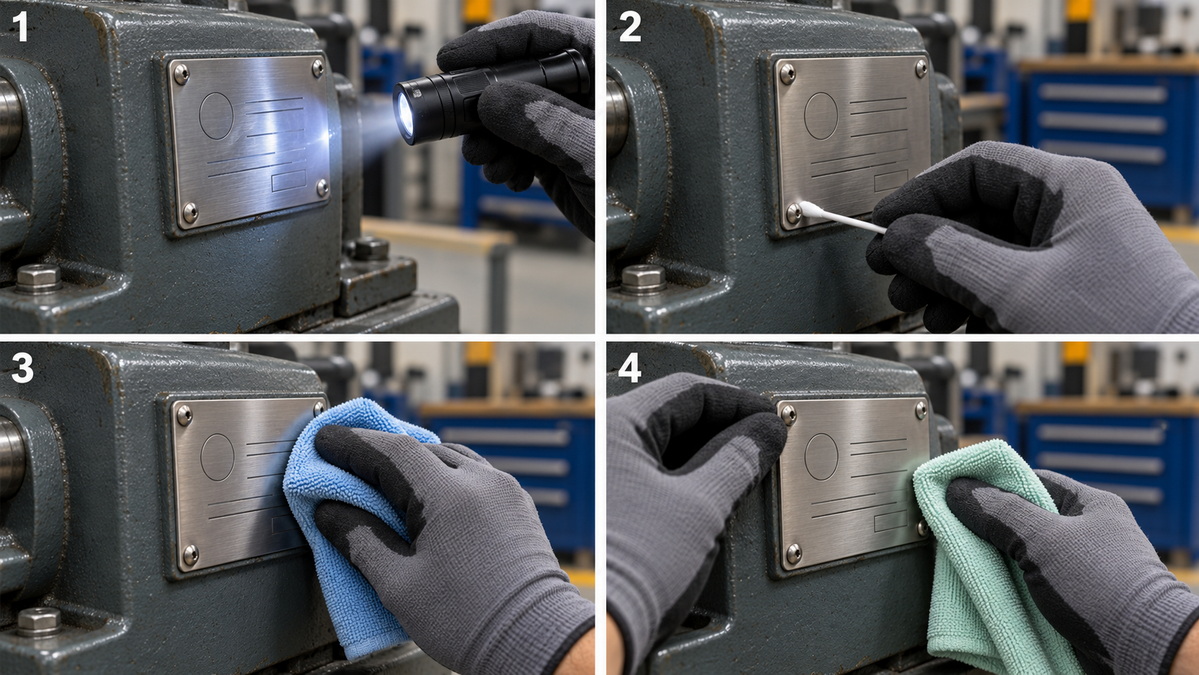
Material-Specific Nameplate Cleaning Tips
Cleaning Anodized Aluminum Nameplates
For routine aluminum nameplate maintenance, begin with mild soap and water. Use a soft cloth, remove residue, and dry promptly.
The anodized layer contributes to surface protection, but harsh acidic or alkaline cleaners can attack it. Do not assume a household metal polish is suitable for anodized or printed aluminum.
Avoid sanding or polishing away discoloration without supplier approval. Removing surface material may also remove the protective finish or identification.
Cleaning Stainless Steel Nameplates
Use mild detergent and water as the starting point. On brushed finishes, wipe with the grain where practical, while protecting printed or filled details.
Avoid ordinary steel wool and unapproved chloride-containing cleaners. Stainless steel is corrosion-resistant, not immune to every chemical or environment.
A rust-colored mark does not establish the cause by itself. If gentle cleaning does not resolve it, investigate the exposure and seek advice before applying a rust remover.
Cleaning Etched and Printed Nameplates
Etching creates recessed information, but some designs also use paint infill. That paint may respond differently to cleaning chemicals than the metal beneath it.
Similarly, a durable printed label depends on its facestock, ink, protective layer, and adhesive working together. A protective overlaminate can improve resistance, but it does not make every cleaner acceptable.
For both constructions, test the finished assembly rather than relying on the base material's chemical resistance alone.
Prevent the Four Main Causes of Nameplate Damage
Abrasion and Repeated Contact
Tools, brushes, handling, and routine wiping can gradually damage identification. Where practical, position plates away from repeated contact and establish a nonabrasive cleaning method.
If scuffing continues, review the marking process or protective construction instead of simply increasing cleaning effort.
Moisture, Salt, and Corrosive Deposits
Remove deposits before they accumulate, using a method compatible with both the plate and surrounding equipment. Coastal installations and areas exposed to road salt deserve closer inspection.
Check fasteners and mounting interfaces as well as the face. Surface appearance alone does not confirm that the attachment remains sound.
Chemical Exposure
List the actual substances used near the equipment, including cleaners, disinfectants, oils, and process chemicals. Record their concentrations and application methods.
Alcohol and acetone are not universal nameplate cleaners. A solvent suitable for one bare substrate may damage another plate's ink, coating, or adhesive.
Heat, Cold, and Temperature Cycling
Review both service conditions and installation requirements. An adhesive's operating temperature range is not necessarily its acceptable application temperature range.
Repeated temperature changes can challenge an identification assembly. Ask for product-specific specifications rather than assuming that a heat-resistant metal makes the complete plate heat-resistant.
Build a Risk-Based Nameplate Maintenance Schedule
There is no universal cleaning interval for every installation. Use the following planning framework, then adjust it using inspection results and site requirements.
| Environment | Suggested inspection approach | Adjustment trigger |
| Clean indoor equipment | Include plates in routine equipment inspections | Dust buildup or reduced contrast |
| Frequent handling | Check during established operator rounds | Smears, scuffs, or lifting corners |
| Coastal or outdoor installation | Inspect more closely around salt exposure and severe weather | Deposits, corrosion, or coating changes |
| Chemical washdown area | Include plates in washdown verification | Fading, swelling, tackiness, or edge lifting |
| Safety-critical identification | Integrate into the applicable maintenance procedure | Any missing or unreadable required information |
This table is a proposed management framework, not a validated service interval. Increase inspection frequency when deterioration appears; do not wait for complete failure.
Validate Cleaning Compatibility Before Bulk Production
For buyers, one of the most useful improvements is testing maintenance conditions before approving a production run.
Ask for representative samples made with the proposed substrate, graphics, finish, and adhesive. Install adhesive-backed samples on the intended mounting surface using the specified preparation and application process.
Create a written trial that records:
- Cleaner name, concentration, and temperature.
- Contact time and wiping method.
- Number of cleaning repetitions.
- Exposure to relevant operating conditions.
- Acceptance criteria for readability, appearance, and attachment.
Inspect after cleaning and after any agreed recovery period. Where machine-readable codes matter, include scanning in the acceptance criteria.
This is a practical screening approach, not proof of an unlimited lifespan. Laboratory testing, certification, or application-specific qualification may still be necessary.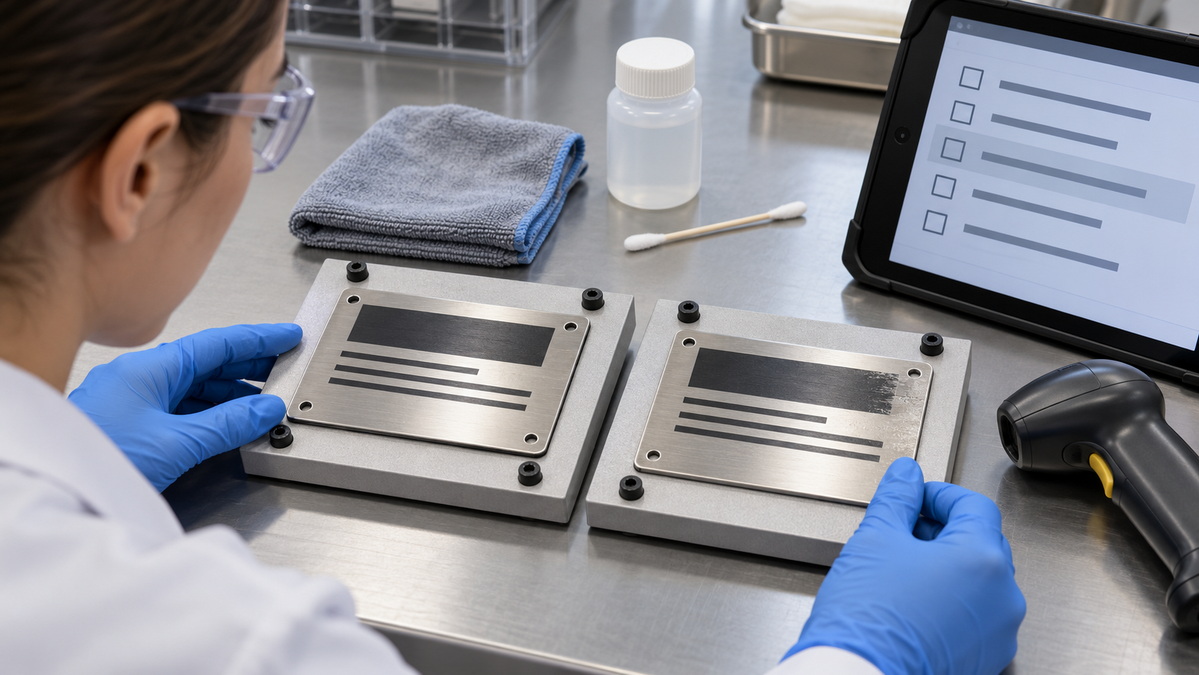
Repair or Replace? Use a Clear Decision Rule
Cleaning can remove contamination. It cannot reliably reverse missing print, deep pitting, failed adhesive, or a damaged protective layer.
| Observed condition | Recommended next step |
| Surface dirt with intact identification | Clean using the approved method |
| Persistent stain with readable information | Request material-specific advice |
| Missing characters or unreliable code scanning | Arrange an authorized replacement |
| Loose fastener or lifting adhesive edge | Assess attachment and installation conditions |
| Repeated failures in the same location | Review the complete specification before reordering |
Do not repaint technical ratings or recreate serial numbers from memory. Use verified records and the appropriate approval process.
Avoid casually applying glue beneath a lifting corner. First determine why the bond failed and whether replacement is required.
Specify Easier-to-Maintain Nameplates With XingKun
Long-term maintenance starts during product development. Share your mounting surface, temperature range, cleaning chemicals, outdoor exposure, artwork, and required identification life with Shenzhen XingKun Packing Products Co., Ltd.
With more than 20 years of printing and packaging manufacturing experience and service across over 30 countries and regions, we welcome detailed application discussions rather than one-size-fits-all material assumptions.
Contact XingKun to discuss your custom nameplate requirements and request information about available materials, representative samples, and suitable production options. Include your cleaning procedure so maintenance compatibility can be considered from the beginning.
Frequently Asked Questions
How Do You Clean a Metal Nameplate Safely?
Identify its construction first. Start with a soft cloth and mild, compatible cleaning solution, test a small area, remove residue, and dry. Follow supplier instructions for coatings, graphics, and mounting.
Can I Use Alcohol on a Nameplate?
Only when approved for the finished construction. Alcohol may be compatible with some materials but affect inks, coatings, films, or adhesives on others. A successful test on bare metal is insufficient.
How Often Should Industrial Nameplates Be Cleaned?
Base the interval on contamination, exposure, identification importance, and inspection history. Integrate checks into equipment maintenance, then shorten the interval if deposits or deterioration appear.
Can Stainless Steel Nameplates Rust?
Stainless steel can corrode under unsuitable conditions. Chloride exposure and contamination deserve attention. Investigate persistent staining rather than assuming every brown mark has the same cause.
Can Faded Nameplate Printing Be Restored?
Cleaning does not restore missing ink or reverse permanent fading. When essential information is no longer readable, obtain a verified replacement instead of using polishing or improvised lettering.
What Should I Send When Requesting Replacement Nameplates?
Provide verified artwork or identification records, dimensions, mounting details, photographs, operating conditions, and cleaning chemicals. Describe the failure so the replacement specification can address its likely cause.
References
1. American Nameplate. "How to Maintain Your Nameplate." January 23, 2019. Original background covering abrasion, corrosion, chemical exposure, temperature, and basic cleaning of aluminum, stainless steel, and etched nameplates. [american-nameplate]
2. Aluminum Anodizers Council. "A Conclusive FAQ Guide for Anodized Aluminum." Technical guidance on mild-soap cleaning, rinsing, spot testing, and the effects of acidic or alkaline cleaners on anodized finishes. [anodizing]
3. worldstainless. "Cleaning and Maintenance." Industry resource collection covering routine stainless steel care, contamination, cleaning methods, and maintenance guidance. [worldstainless]
4. International Stainless Steel Forum / worldstainless. "Stainless Steel for Hygiene." Technical publication supporting caution around bleach and other chloride-containing cleaners. [worldstainless]
5. 3M. "3M™ Overlaminate Label Materials." Product information explaining protective films, resistance to scuffs and chemicals, and adhesive selection for different substrates and environments. [3m]
6. 3M. "3M™ Screen Printable Sheet Polyester Label Material 7980." Product guidance illustrating the relationship between label facestock, adhesive, environmental resistance, and durable identification applications. [3m]
7. 3M. "3M™ Adhesive Transfer Tape 9668MP—Technical Data Sheet." Product-specific information on surface preparation, application conditions, chemical resistance, and temperature-cycling performance. Its specifications should not be generalized to unrelated adhesives. [multimedia.3m]


